On March 17, 2000 — 25 years ago — a group of colleagues gathered at Jim Brady’s Pub in New York City with a simple but powerful goal: to raise $17,000 for childhood cancer research. By the end of that very first St. Baldrick’s event, they had raised more than $104,000 — and sparked a volunteer-led movement dedicated to fighting pediatric cancer.
An army of volunteers determined to conquer kids’ cancer had begun.
Fast Forward to 2025: A Mission Stronger Than Ever
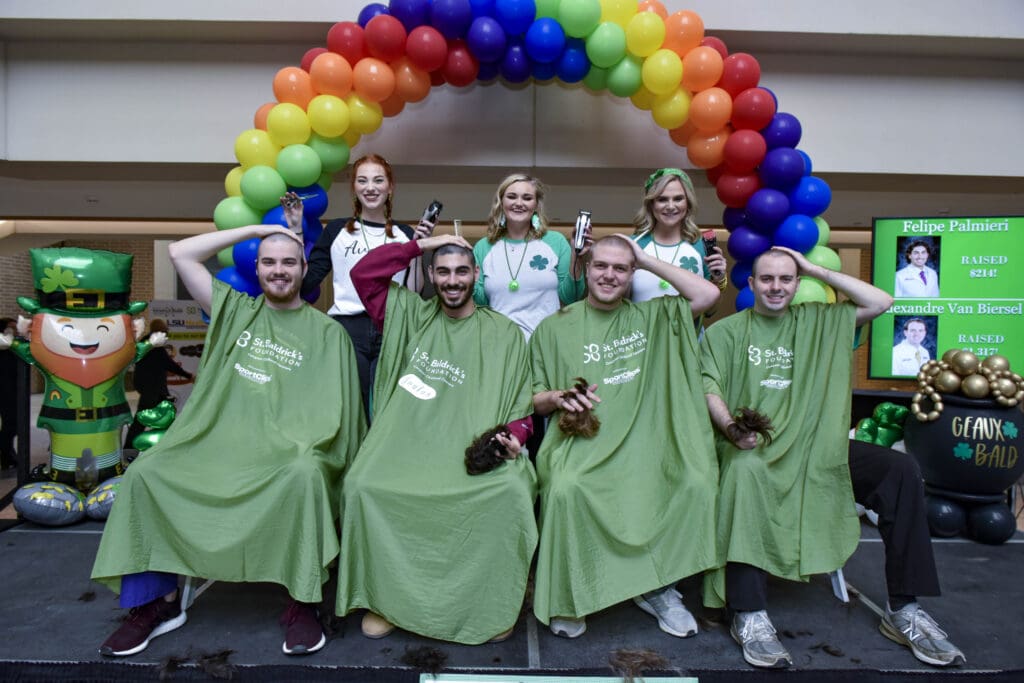
Since that first St. Baldrick’s event in 2000, hundreds of thousands of volunteers, donors, and supporters from cities across the country and all walks of life have come together to find cures for all childhood cancers.
And while shaved heads remain a signature fundraiser for St. Baldrick’s, the movement has grown far beyond the barber’s chair. Today, generous supporters are finding countless creative ways to fuel this mission — from hosting community fundraisers and online challenges to partnering with businesses and honoring loved ones through Hero Funds and Legacy Giving.
25 Years of Progress in the Fight Against Childhood Cancer
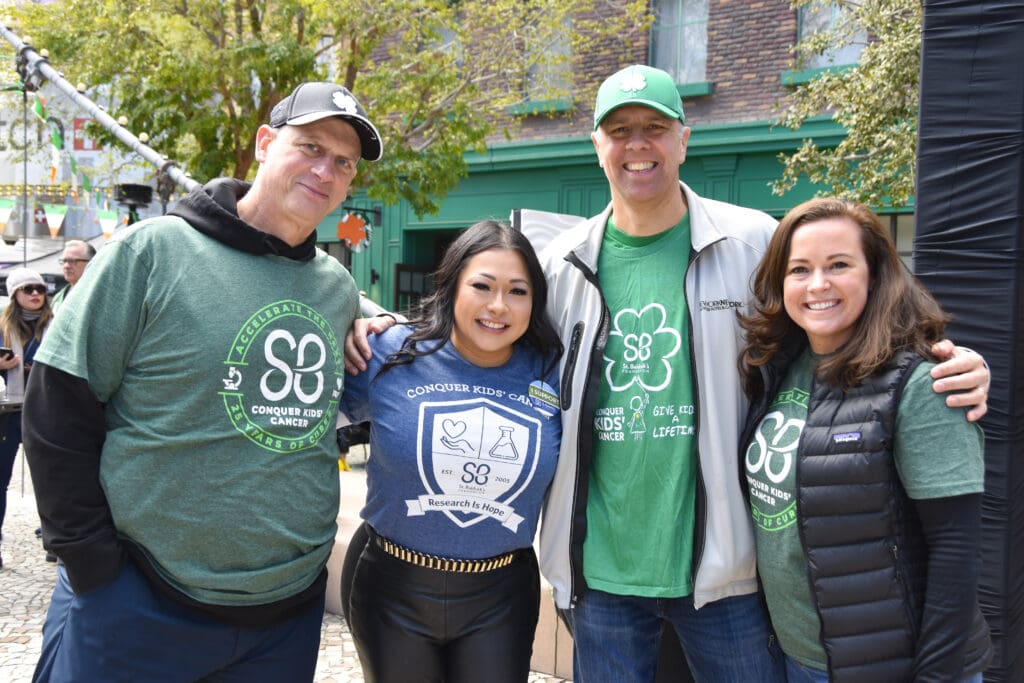
Because of people like you — event organizers, volunteers, donors, and advocates — there’s been real, measurable progress in the fight against childhood cancer.
Since St. Baldrick’s began, the overall 5-year survival rate for childhood cancers has climbed from 79% in 2001 to 85% in 2020.
As the largest charity funder of childhood cancer research grants in the United States, St. Baldrick’s has played a role in nearly every major breakthrough in childhood cancer research over the past 25 years. Every head shaved, dollar donated, and event hosted has helped save lives, fuel new discoveries, and create brighter futures for kids with cancer.
Here are just some of the life-changing milestones you’ve helped make possible:
- 2013: Survival of PH+ acute lymphoblastic leukemia increased from 20% to 70% with the FDA’s approval of Gleevec.
- 2015: Survival of high-risk neuroblastoma rose from 30% to almost 50% with the FDA’s approval of Unituxin.
- 2017: The first gene therapy approved in the U.S. — Kymriah — began saving the lives of more than 80% of relapsed childhood leukemia patients who once had no other hope.
- 2018: The most comprehensive childhood cancer bill ever taken up by Congress, the Childhood Cancer STAR Act, was signed into law — thanks to unified advocacy from St. Baldrick’s and many partners.
- 2020: The Childhood Cancer Data Initiative (CCDI) launched, adding $50 million per year in federal funding to accelerate progress by connecting and sharing clinical and research data.
- 2021: In one of the largest leaps in survival rates ever seen from a single clinical trial, survival for children with high-risk group 3 medulloblastoma — the most common malignant brain tumor in kids — increased from 54% to 73%. That’s 20 more children out of every 100 who now survive.
- 2023: Congress reauthorized the STAR Act, and advocacy efforts have ensured full federal funding of $30 million each year since 2018.
- 2024: Adding blinatumomab, a targeted immunotherapy drug, to traditional chemotherapy improved disease-free survival for children with standard-risk acute lymphoblastic leukemia from less than 88% to 96% — a breakthrough that means many more children will grow up cancer-free.
Why We Must Keep Going
Here’s what today’s landscape looks like for kids diagnosed (0 to 19) with cancer in the U.S.:
- In 2000, about 12,400 children and teens were diagnosed with cancer.
- In 2024, that number has risen to 14,910 — a steadily increasing trend over decades.
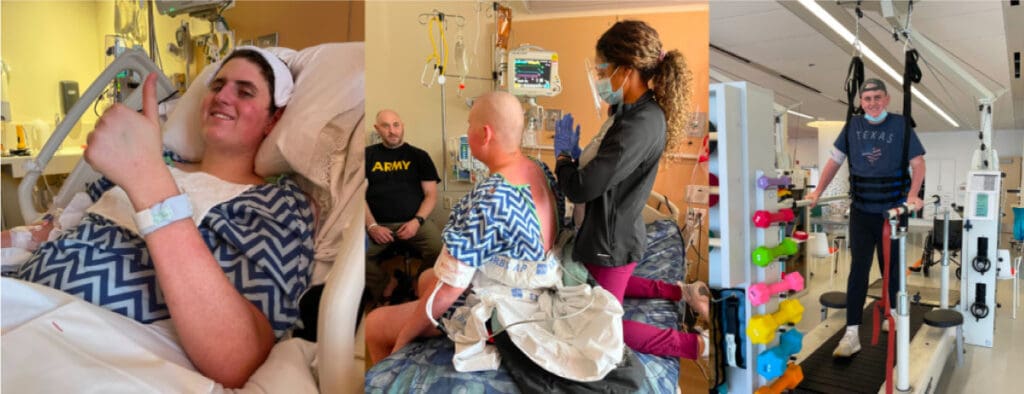
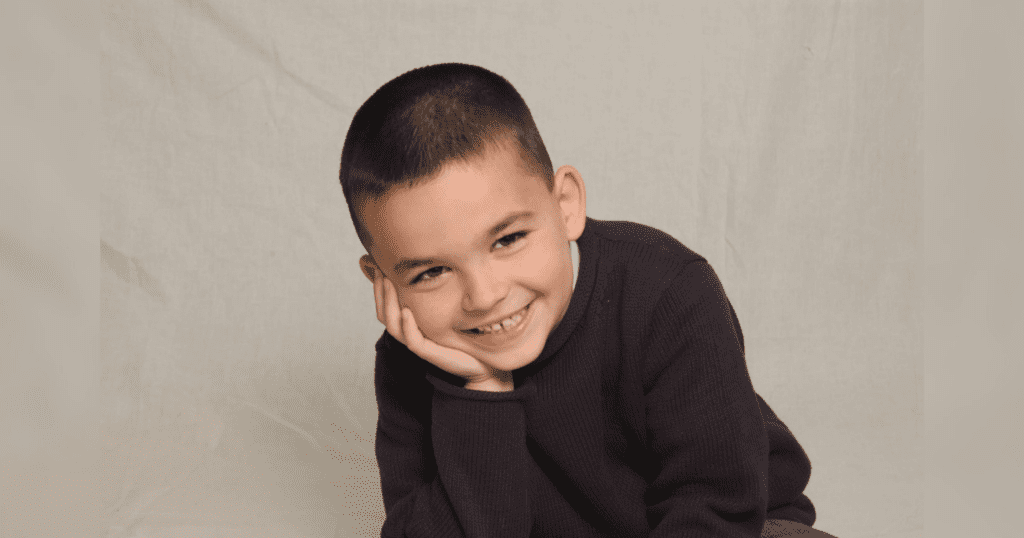
And while childhood cancer survival rates have improved, reaching 85% at the 5-year mark, many children continue to fight long beyond those five years. Some relapse, others face lifelong side effects, and tragically, 1 in 5 kids with cancer still will not survive.
How Your Support Is Changing the Future
Thanks to the generosity of supporters like you, St. Baldrick’s is able to fund the most promising pediatric cancer research in the U.S. and beyond. Here’s how your donations help:
- Expanding access to clinical trials — supporting more than 200 Children’s Oncology Group institutions, so families don’t have to travel far for the latest childhood cancer treatments.
- Backing early-phase clinical trials — offering hope to kids with few or no options left. In total, 149,000 children have been treated on 348 clinical trials supported by St. Baldrick’s.
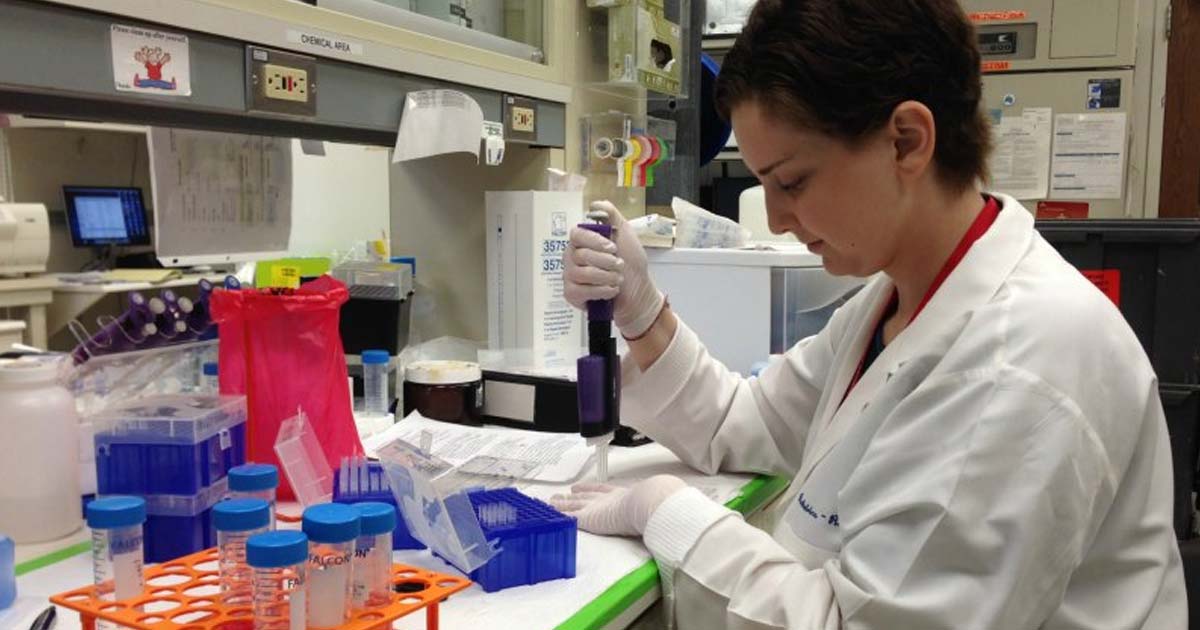
- Funding research from start to finish — From breakthrough ideas in the lab, to research that transforms them into treatments for kids, and ultimately to clinical trials that put those treatments to the test.
- Investing in the next generation of pediatric cancer researchers — through funding 165 St. Baldrick’s Fellows and 155 St. Baldrick’s Scholars, we’ve helped build a pipeline of over 300 young physician-scientists who are now leading the fight against childhood cancers.
The Road Ahead
As we mark 25 years of impact, we remain laser-focused on the future — on the kids diagnosed today, and on those who will be diagnosed tomorrow.
Because while survival rates have improved and treatments are advancing, childhood cancer remains the #1 disease-related cause of death for children in the U.S. And every child deserves a chance at a healthy, cancer-free future.
Thank you for being part of this mission. Together, let’s accelerate the next 25 years of cures.