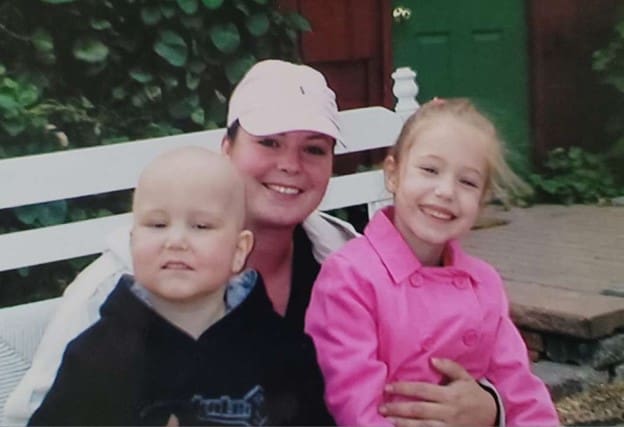
As a first-generation, low-income student, my path to medicine has been profoundly shaped by my earliest experiences with healthcare and the mentors who’ve guided me along the way. One of the most defining moments of my life came when my brother was diagnosed with acute lymphoblastic leukemia — a diagnosis no one in my family had ever heard before.
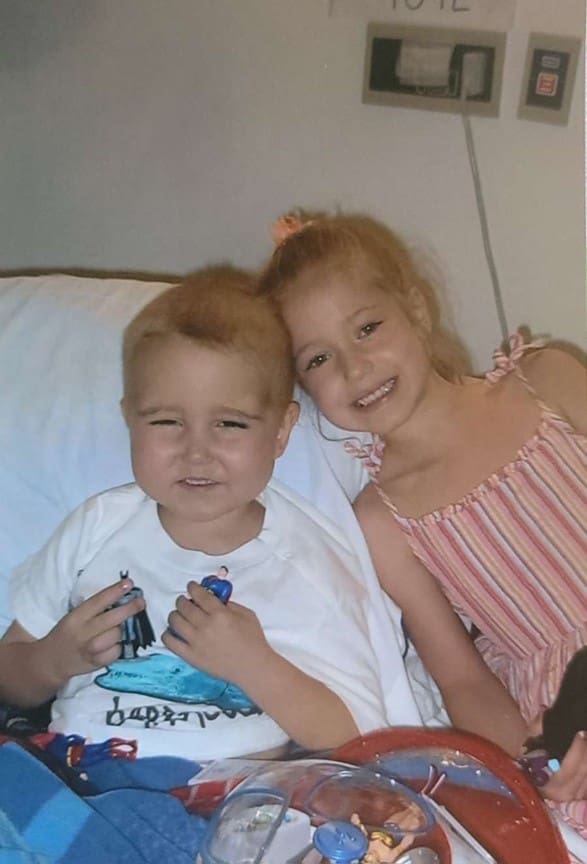
At the time, my mother worked as a secretary in the pediatric intensive care unit, so she had some sense of what might lie ahead. Still, it was an entirely foreign and terrifying experience for all of us. I vividly remember the uncertainty, the fear, and the immense gratitude we felt for the healthcare team that guided us through those difficult years. My brother’s oncologist worked closely with my mom, ensuring she always felt informed and supported throughout the grueling process. He even helped organize a St. Baldrick’s head-shaving fundraiser at a local Irish pub near our home — and to this day, I remember the heartwarming laughter shared among those brave enough to become “shavees” in my brother’s honor.
Witnessing the dedication and compassion of his care team planted a deep-seated desire in me to better understand cancer and, one day, contribute to developing treatments that offer hope to families like mine. This idea — that I might be able to spark change, even if only through the connections I build with families — stayed with me through school and ultimately inspired me to pursue medicine and cancer research.
During my master’s program at Northwestern, I became involved in neuro-oncology research, investigating a novel pathway in glioblastoma multiforme metabolism that I hypothesized contributed to chemotherapeutic resistance. It was an eye-opening experience. The aggressiveness of this disease and the immense toll it takes on families struck me deeply. Yet, recent breakthroughs in immunotherapies for other solid tumors gave me hope that new, life-saving discoveries could be within reach.
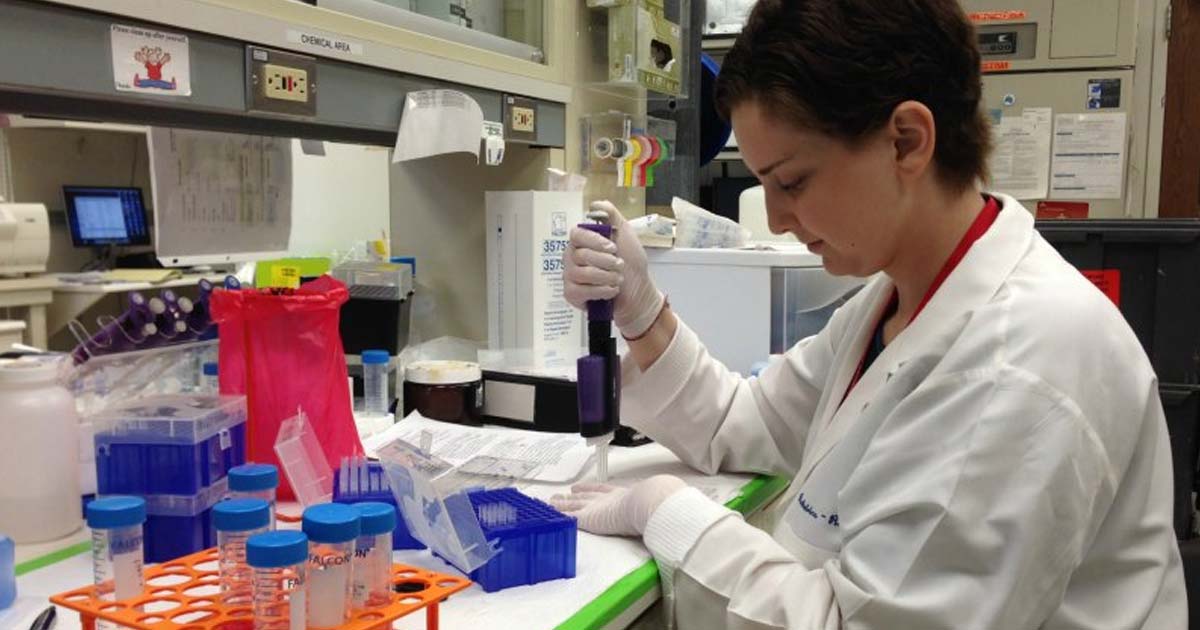
This hope continues to fuel my commitment to pediatric neuro-oncology research. Since before starting medical school, I’ve actively sought opportunities to immerse myself in this work. Last summer, I had the privilege of working alongside my mentor, Dr. Kohanbash, investigating the efficacy of genetically modified TCR T cells against glioma cells. The experience provided me with hands-on laboratory training, exposure to complex immunological methodologies, and a deeper appreciation for the potential of immunotherapy in pediatric brain tumors. It was both inspiring and humbling to witness the painstaking planning and problem-solving involved in every stage of this work — and to realize how resilience is just as critical in the lab as it is in life.
My dedication to pediatric cancer research has since evolved into a focused, enduring interest. Currently, our team is investigating the role of B cells in shaping the immune environment within pediatric high-grade gliomas. Although I had a general understanding of immune-tumor dynamics going into this project, my perspective has expanded greatly. I’m continually inspired by how much there still is to uncover — and motivated by the potential these discoveries hold for changing outcomes for children facing these devastating diagnoses.
This summer, I’m eager to continue this work, build on these foundational experiences, and deepen my research skills. Support from the St. Baldrick’s Foundation allows me to fully dedicate my time and energy to advancing our understanding of B cell contributions to pediatric brain tumor biology. Beyond supporting the immediate goals of our research, this opportunity also provides invaluable mentorship and professional growth that will shape my future as a physician-scientist.
Looking ahead, my long-term goal is to contribute meaningfully to the expanding field of cancer immunotherapy, working alongside multidisciplinary teams to develop treatments that improve both survival rates and quality of life for children battling these diseases. With the support of St. Baldrick’s, I can continue this vital work — and pursue the scientific discoveries that I hope will one day offer brighter futures to families like mine.