Our son Camden was diagnosed with leukemia (ALL) when he was three years old. One minute we were juggling preschool pickups and a newborn baby brother, and the next our life came crashing down. My husband, Drew, and I watched helplessly as our young son was constantly poked for blood draws and wheeled into medical procedures before we had even truly grasped what was happening. We listened as oncology terms became integrated into our everyday language – words like “chemotherapy”, “lumbar puncture”, and “central line”. We found ourselves having impossible conversations about survival rates and clinging to the promise of a 3.5-year treatment plan—which we were told was the best chance we had to save our son.
We signed consent after consent, reading through risks like they were part of a long, itemized bill that we couldn’t afford. We agreed to the terms – because when they tell you this plan gives your child the best chance to live, you sign it. Yes, the chemotherapy would cause him to lose his hair. Yes, he would have potential risks to his heart and other organs. Yes, he would give up the chance to have biological children of his own. These were the terms we had to accept in order to save his life. But it turned out the cruelest risk for us was that the treatment itself could cause another type of cancer. Because that, in the end, is what happened to Cam.
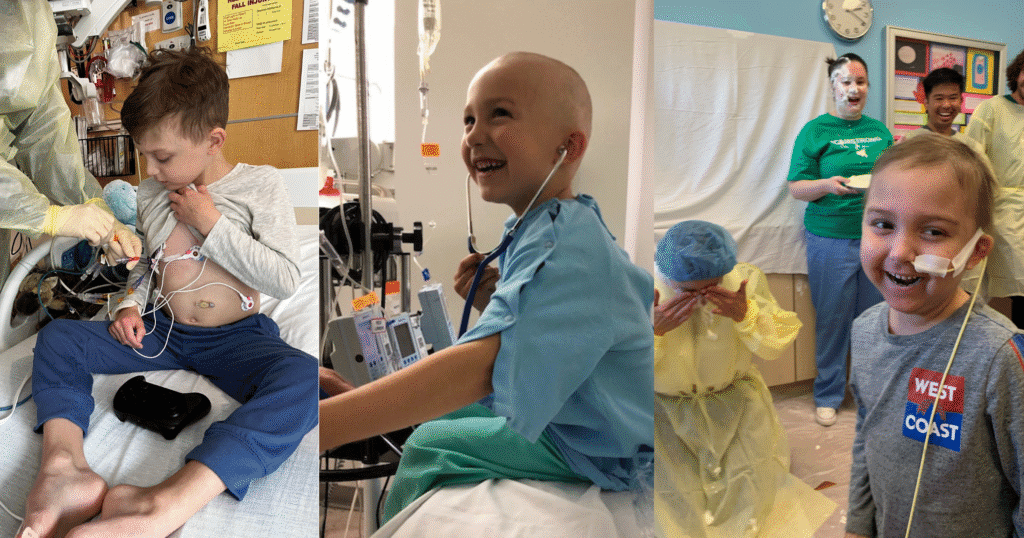
While still in remission for his first leukemia, Cam was diagnosed with a more aggressive form – AML. His only real chance for a cure was a bone marrow transplant, which was excruciating for him and even more heartbreaking for us as his parents. The complications kept stacking up against Cam, keeping him hospitalized and isolated from his life for nearly a year. Recovery from the transplant became a new battle to fight, this time with few proven remedies.
Cam endured relentless medical challenges from his leukemia treatment and transplant: a chest IV, feeding tube, ostomy, chronic pain, opioid addiction, fragile skin, juvenile cataracts, and a severely weakened immune system—just to name a few. The toll of it all was devastating to watch as his parents. After everything Cam went through, Drew and I couldn’t stop thinking—there has to be a better way. We need cures that don’t destroy a child’s body and spirit in the process.
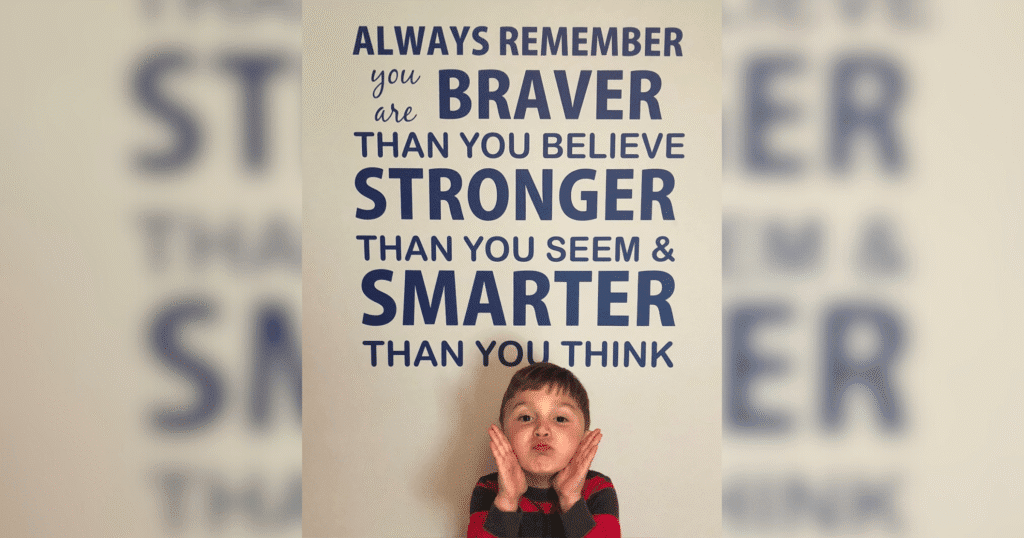
Despite Cam’s valiant fight against leukemia, he lost his life at the age of 9 – after a long, six-year battle with the disease. Up until the end, Drew and I were desperate to find options, thinking that if we could just keep him alive long enough, there might be a breakthrough with research that could be the answer. But the cancer was too aggressive, the research wasn’t fast enough, and all the available options were not effective enough. It was devastating to admit defeat, to know that there was nothing we could do to help save our child.
From this experience, we are confident that research is the key to finding durable cures and to finding breakthrough therapies that don’t give kids other problems to fight after cancer. In fact, 80% of the 14,000 newly diagnosed children and adolescents each year rely on research institutions to provide life-saving care. Not only that, but more than half of newly diagnosed children enroll in clinical trials. For Cam, the treatment options were limited and brutal. After months of ineffective chemotherapy, Drew and I made the decision to uproot our lives and move him to St. Louis for a clinical trial. It gave us hope that a cure might be possible, that we could take advantage of the progress being made. Though it wasn’t the answer we were hoping for, we know there is a breakthrough for relapsed AML out there waiting to be discovered by another clinical trial.
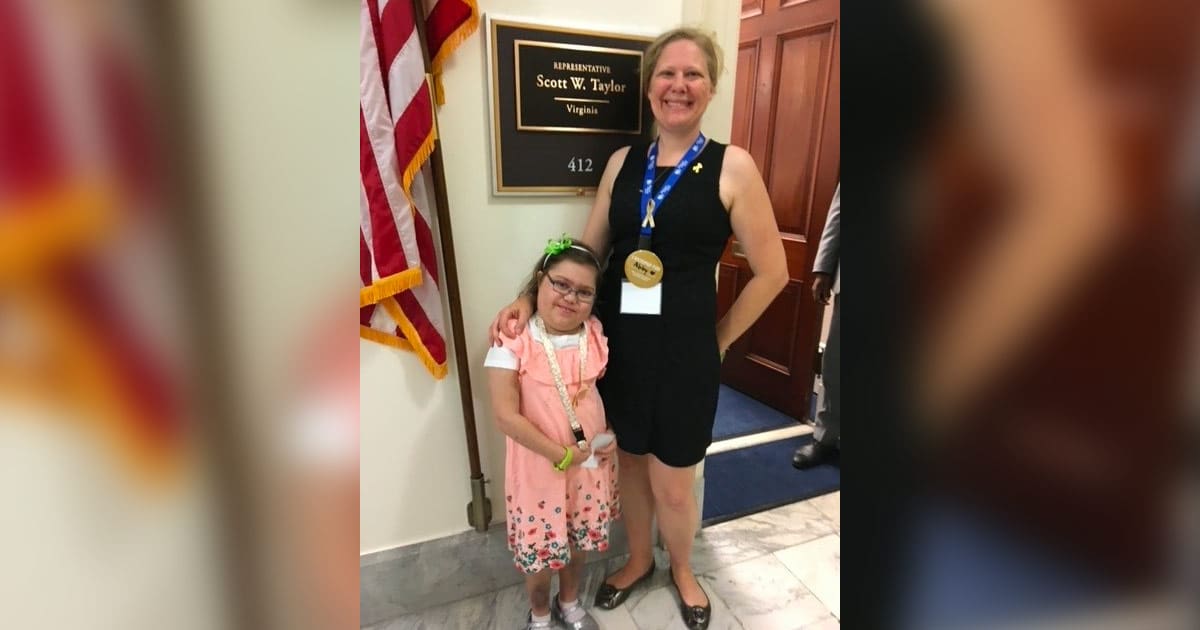
To advocate for the pediatric cancer community, our family—Drew, our younger son Garrett, and I—traveled to Washington, D.C. this past February to join the Alliance for Childhood Cancer. It was our chance to share Cam’s story and urge our representatives to pay attention to the struggles families like ours face. We called on Congress to support strong, consistent funding for childhood cancer research and to reject any changes to NIH that could harm patients, survivors, or their families. Our message was clear:
Cuts to pediatric cancer research funding will have serious effects on outcomes.
The truth is, there are children’s lives at stake. There are families impacted across the US who are desperate to find a cure for their child. We proudly stand with the Alliance, and we plan to return to the Capitol each year to honor Cam’s fight, and to ensure his suffering and loss were not in vain.
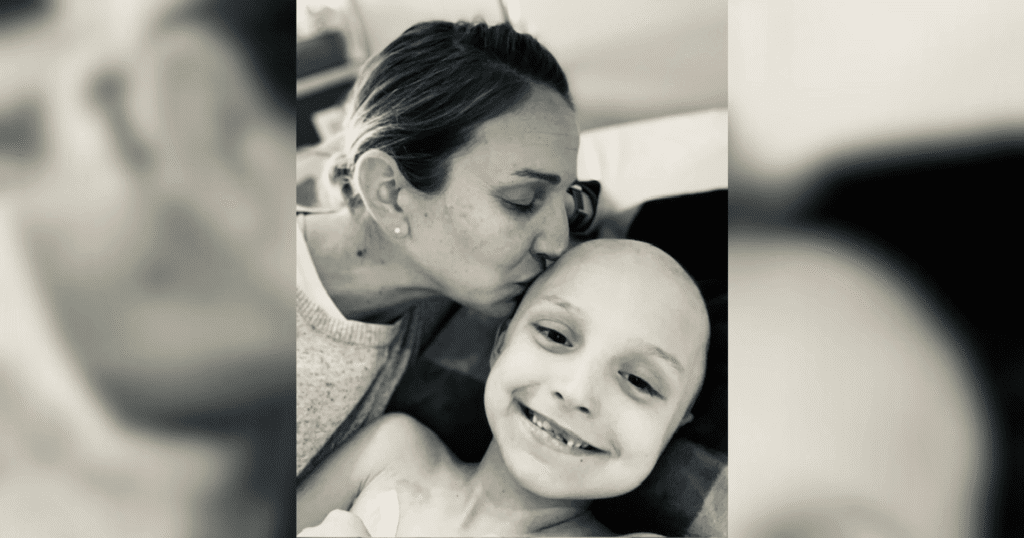
Advocating for dependable research funding won’t change Cam’s outcome—but it still matters deeply to us. And it should matter to every American. These are our children, and it’s our collective responsibility to fight for them, to give them real hope that a cure is possible. Stable federal funding is not just a budget issue—it’s a lifeline for these kids and their families. This is not about one child’s tragic story. This is a call to all of us to demand better—for every child with cancer still hoping for a chance to live.
Join St. Baldrick’s Advocacy Action Network
Donate to CammersTough Fund