When people hear “childhood cancer research,” they may imagine a single path.
In reality, progress depends on many different kinds of research—each asking different questions, each playing a critical role in moving science forward.
As we shared in our first post on how childhood cancer research works, progress is rarely linear—and every step builds on the ones before it.
Together, these research efforts form an ecosystem. Remove one part, and progress slows for all of them.
Basic Research: Where Understanding Begins

Basic researchers are driven by curiosity. Their questions may sound simple, but their answers shape everything that comes next:
Why does a normal cell become a cancer cell?
What signals cause cancer cells to grow—or stop growing?
Basic science generates new ideas, theories, and ways of thinking. These discoveries may not turn into treatments right away, but they form the foundation for all future advances.
In biology, this work focuses on understanding how cells function. We must understand what drives cancer before we can learn how to stop it.
Saying basic research isn’t important would be like saying you want great coffee but don’t care about the quality of the water in the pot. The later stages may seem more exciting—but none of them work without what happens here.
Clinical Research: Where Discoveries Meet Patients
Clinical research focuses on people—children, families, and survivors.
Clinical researchers ask questions like:
Which treatment works better?
Which combination is safest?
How can we improve quality of life during and after treatment?
Clinical Trials
Clinical trials are carefully designed studies that test new therapies in patients.
- Phase I trials involve a small number of patients and focus on safety, dosing, and side effects.
- Phase II trials include more patients to better understand the effectiveness for specific cancers.
- Phase III trials compare new treatments to the current standard of care across many institutions.
Correlative studies help researchers understand why a treatment worked—or didn’t– and make full use of information learned during the trial, even if it doesn’t directly pertain to the question the trial was made to answer. These insights bring new questions back to the lab and help fuel the next cycle of discovery.
Population-Based Research: Learning from the Bigger Picture

Some of the most important questions in childhood cancer can only be answered by studying large groups of people over time.
Population-based research explores:
- Long-term health risks for survivors
- Genetic factors that increase cancer risk
- Disparities in diagnosis, treatment, and outcomes
This research helps children not only survive cancer—but thrive long after treatment ends.
Translational Research: Bridging the Gap
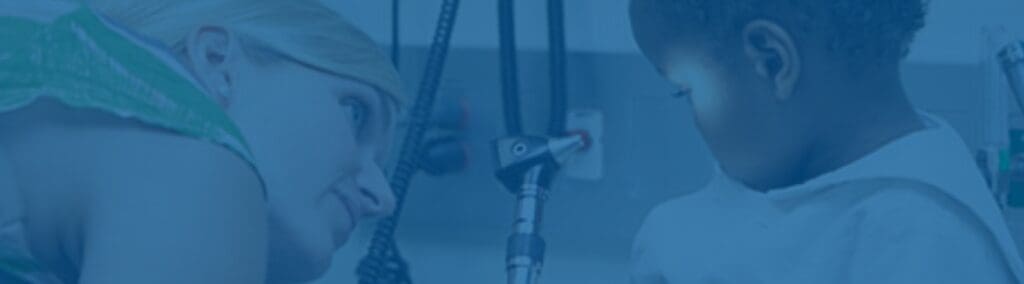
Translational research connects discoveries in the lab to care in the clinic—and back again.
Often called “bench to bedside,” this work ensures that:
- Promising lab discoveries reach patients
- Lessons learned from patients inform future research
- New knowledge becomes part of everyday care
Why This Matters
Progress doesn’t move in a straight line. It moves through collaboration, persistence, and sustained support. Supporting this constant exchange between lab and clinic requires long-term investment—something we explore more in our final post about St. Baldrick’s role in childhood cancer research.
Next:
Why St. Baldrick’s Funds the Full Journey of Childhood Cancer Research
Be part of the next breakthrough.