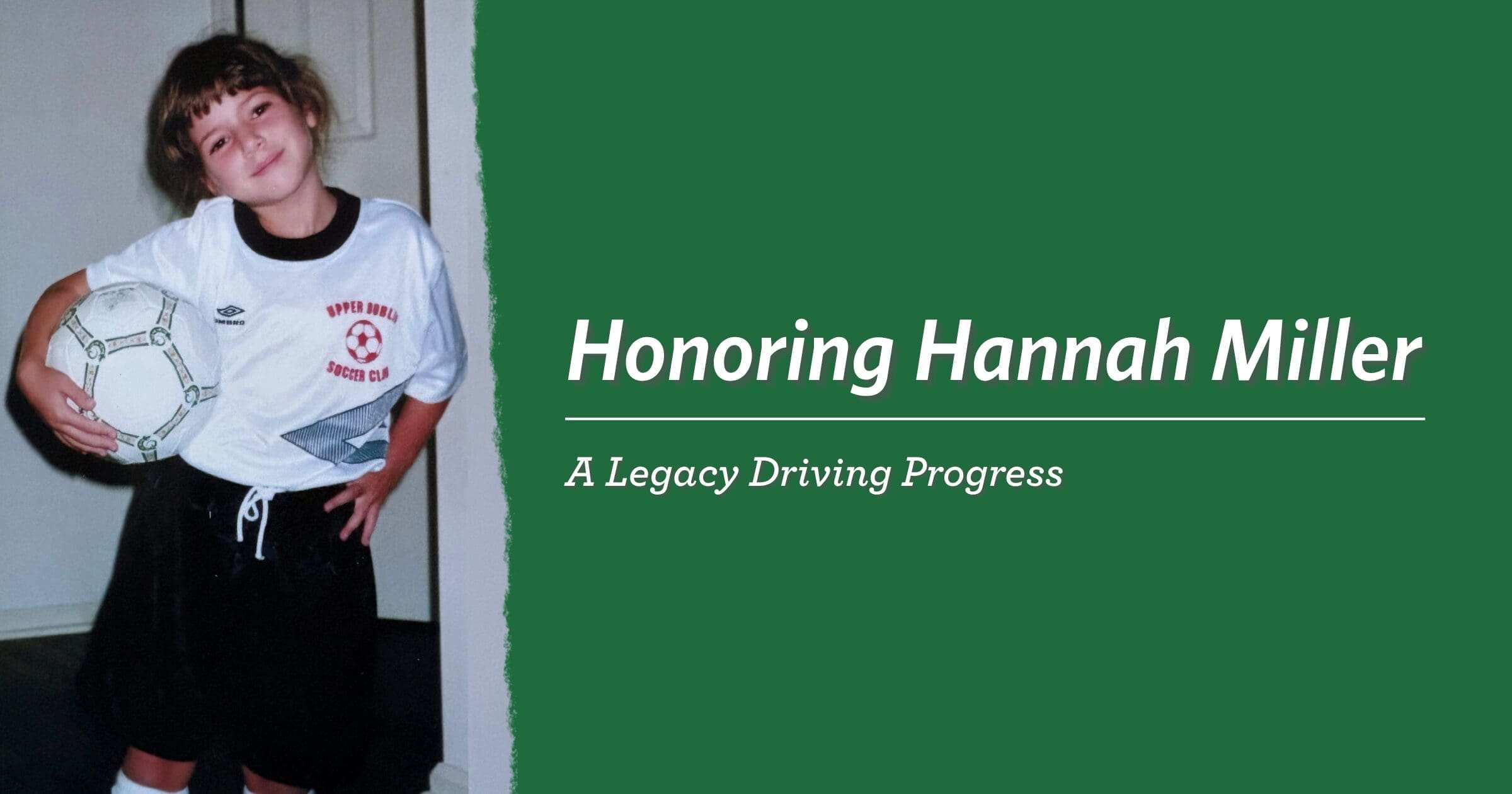
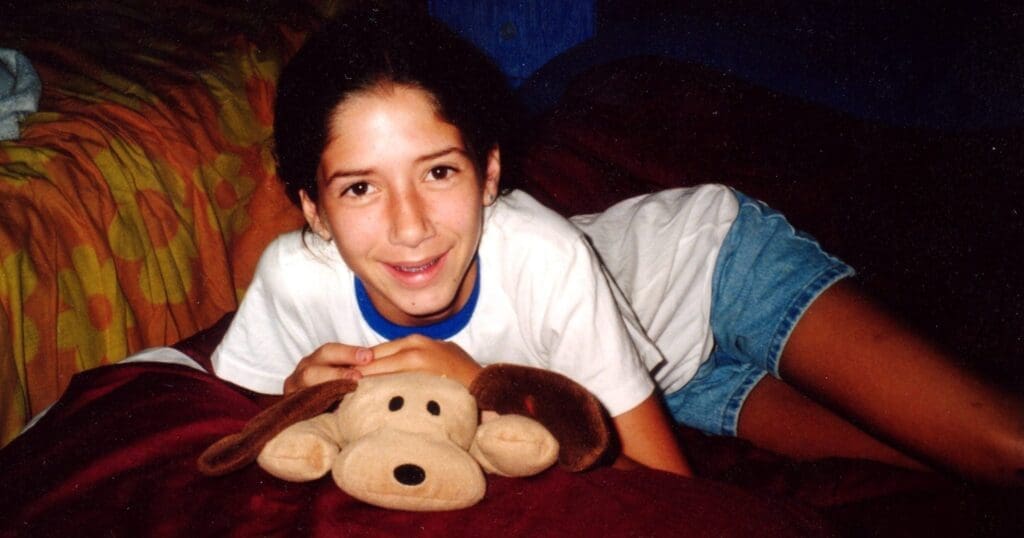
Hannah Miller was a bright, quick-witted 11-year-old who had a joyful smile and a big heart.
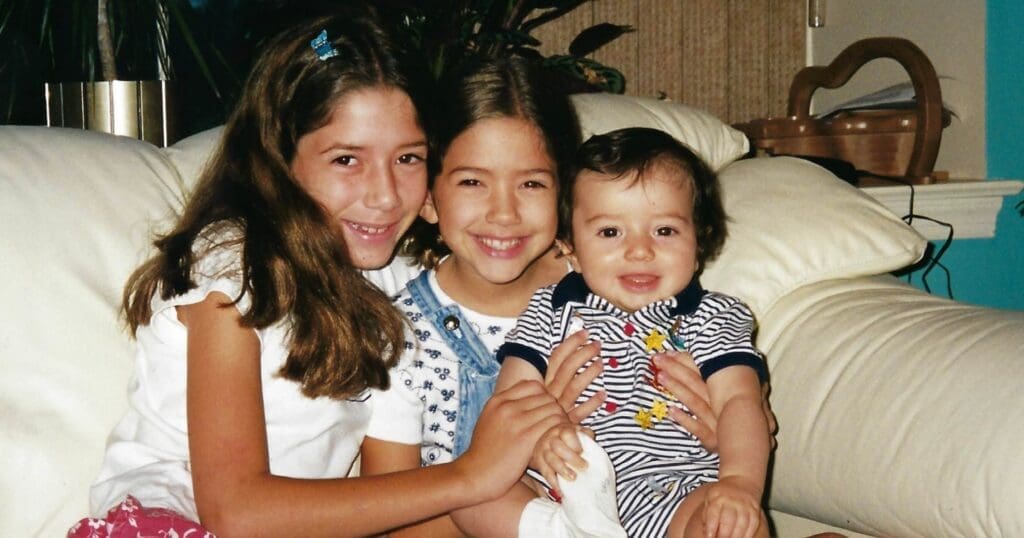
She loved dancing, playing the cello, and competing in soccer and softball. An avid reader and Harry Potter enthusiast, Hannah was curious, kind, and full of life. She made friends easily and cared deeply for her younger siblings, Stephanie and Alex.
In September 2000, Hannah was diagnosed with diffuse intrinsic pontine glioma (DIPG), an aggressive and inoperable brainstem tumor.
She faced her diagnosis with remarkable courage, undergoing radiation and chemotherapy while holding onto her spirit, supported by her family and close friends. Despite treatment, the tumor continued to progress. On May 12, 2001, just days before her 12th birthday, Hannah passed away.
From Limited Options to Important Steps Forward
At the time of Hannah’s diagnosis, DIPG was one of the least understood pediatric cancers. Because of where these tumors form, surgery wasn’t possible — and biopsies were rarely performed, leaving researchers without the tumor samples needed to study the disease.

That has changed dramatically.
Twenty-six years since Hannah’s diagnosis, advances in technology now allow tumors to be safely biopsied, giving researchers the ability to:
- Sequence tumors and identify key genetic mutations
- Develop pre-clinical models to better study the disease
- Launch more targeted clinical trials
This progress has led to a historic milestone: the FDA approval of ONC201 — the first drug developed specifically for DIPG. New treatment options like this are only possible through decades of sustained research and investment.
What was once a field with little research opportunity is now an area of growing research, but DIPG still has a dismal prognosis.
Organizations like the St. Baldrick’s Foundation have played a critical role in advancing this progress — funding early-stage research, supporting innovative approaches like CAR T-cell therapy through initiatives such as the EPICC Team, and helping move discoveries from the lab to clinical trials.
Turning Loss Into Action
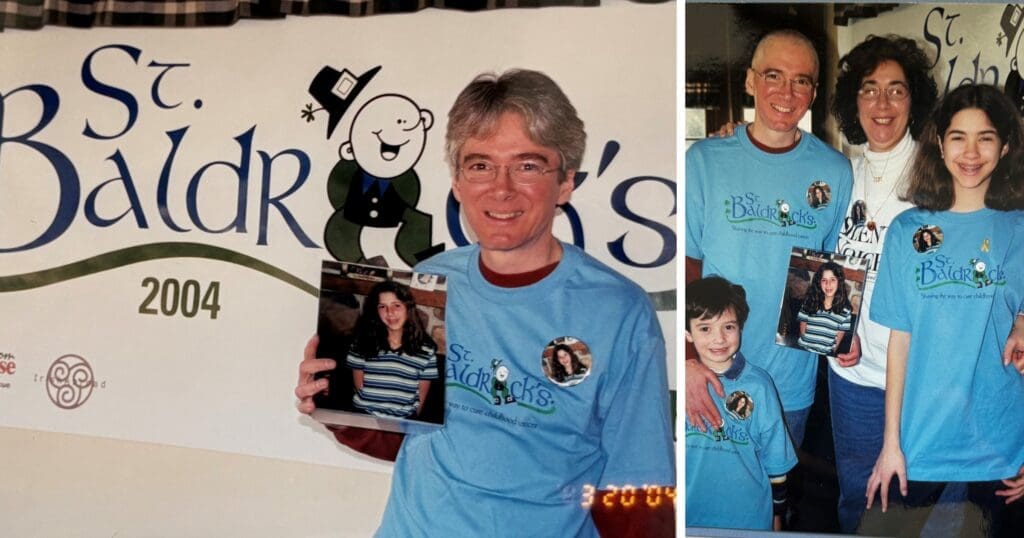
After Hannah’s passing, her family transformed their grief into action.
Her father, Tom, shaved his head to raise funds for childhood cancer research for more than a decade. Her mother, Lynn, along with her siblings and a community of supporters, have continued that commitment in countless ways.
Together, they established the Hannah Levy Miller Fund to honor Hannah’s life and accelerate research for DIPG and other childhood cancers.
Carrying Hannah’s Legacy Forward
Hannah brought light, laughter, and love to everyone around her. Today, her legacy lives on in the advancements being made for children facing DIPG.
You can help continue that progress.
Support the Hannah Levy Miller Fund
Because every child deserves better treatment options — and a chance to grow up.