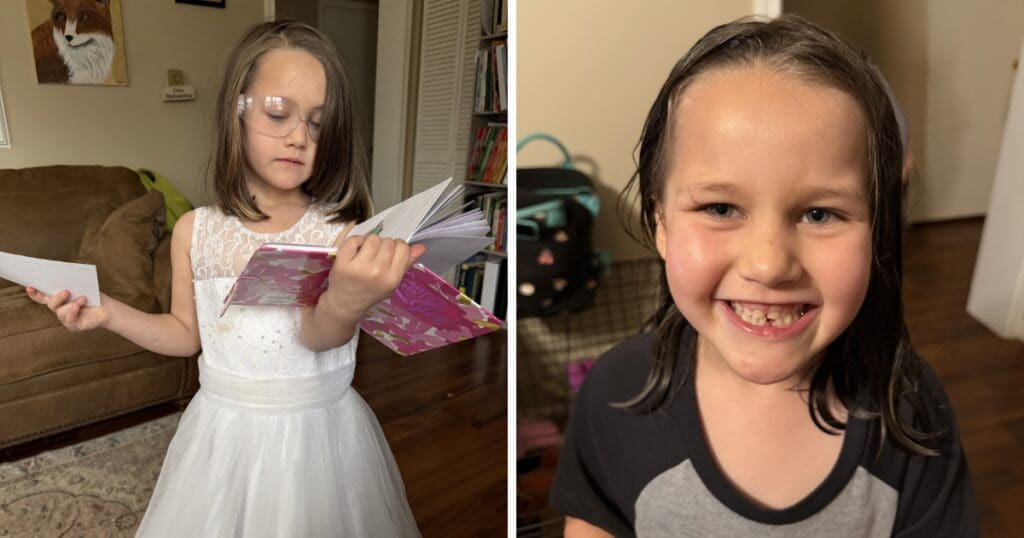
Today was an ordinary day. My daughters, Lillian and Laurel, did their chores and completed schoolwork like any other day of the week. Yesterday, the tooth fairy came for Laurel’s first tooth, and this past weekend, I was stressed and excited at the same time for her dance photos. Despite all the stress of the week, there was a time I didn’t know if I would get these moments.
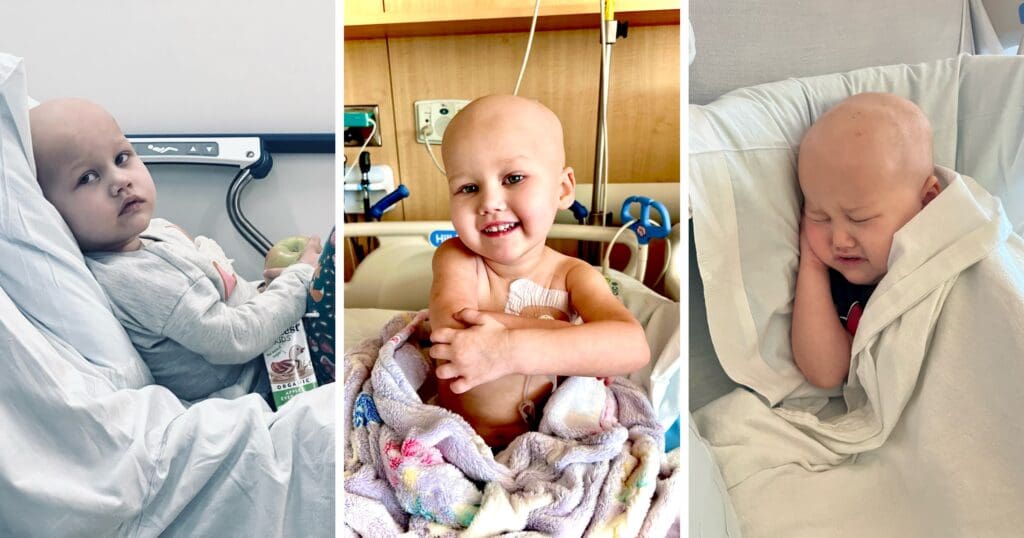
Two weeks before Laurel’s third birthday, we received the news no parent is ever prepared to hear: “Your daughter has leukemia.”
My world came crashing down. I didn’t have time to think, only to move into action.
A call to the Red Cross because my husband was overseas.
Packing bags.
Gathering my other kiddo off the bus.
Driving to the hospital to begin treatment.
This was just the beginning of our journey.
The first phase was a month-long stay in the hospital. We were fortunate enough to go home after two weeks because Laurel was crushing induction, the first phase of treatment. It felt so promising. We went home only needing clinic visits, and I was so optimistic. Then we got the call. Laurel had failed to reach remission. Our hearts sank. We knew this meant harsher chemo, higher chances of relapse, and more possible long-term side effects. Still, we pushed on, making the most of each day.
After two and a half years of chemo, Laurel was finally able to ring the bell. It was such a bittersweet moment. Our family, friends, and hospital family all came together to celebrate. She took her last dose of chemo right there. She was ready to face the world again. To be normal.
What is her normal?
It is dancing like a ballerina in dance class with the other ballerinas. No more virtual classes or days spent lying in bed.
It is running with her friends. Even if she comes in last, she is running. Her legs are no longer tired and heavy.
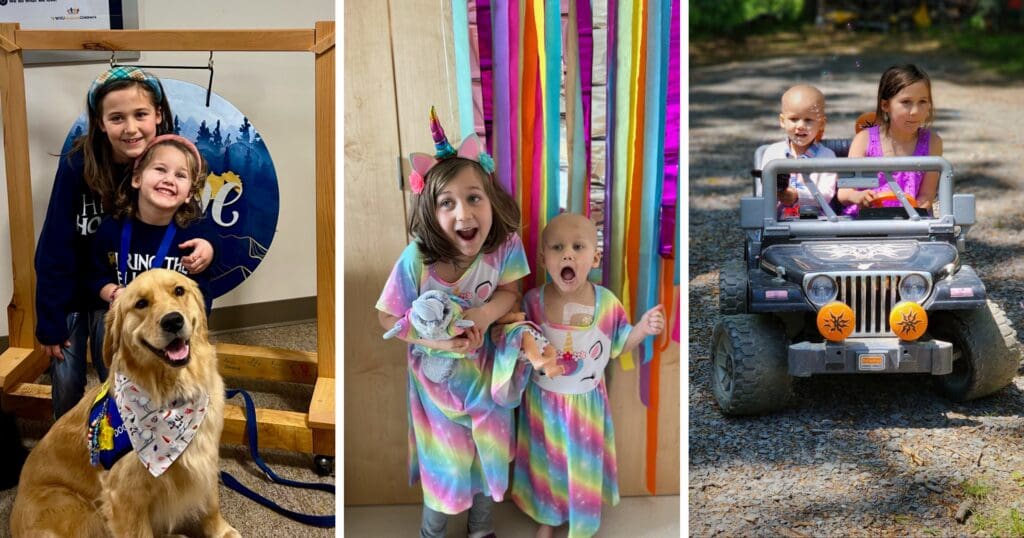
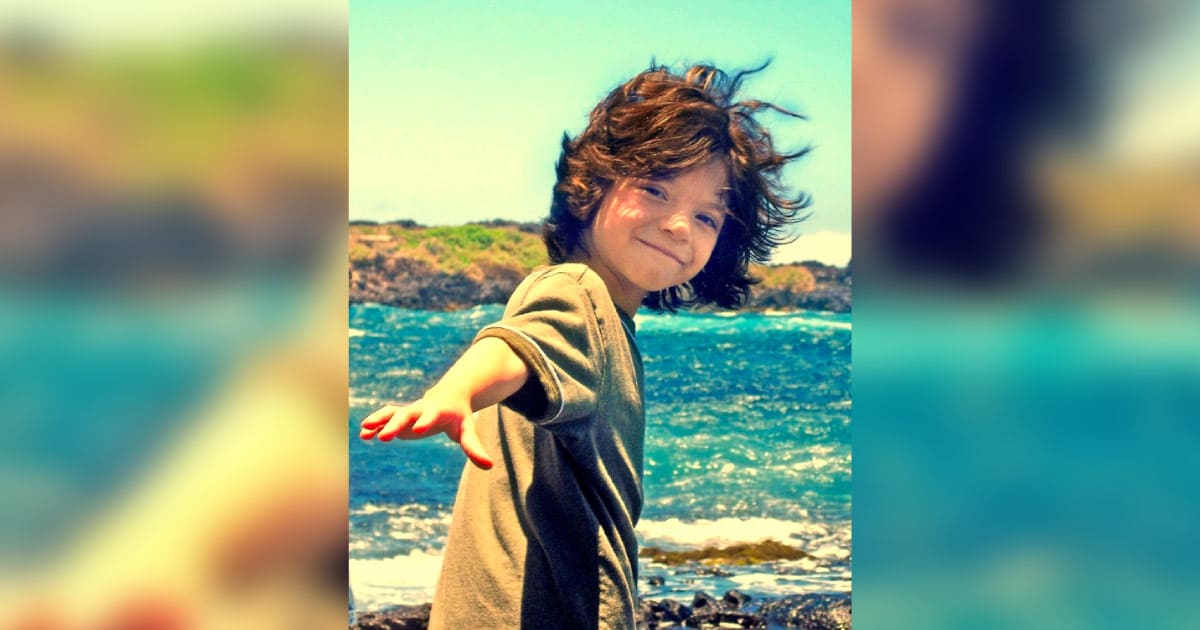
It is taking a trip out of state without worrying constantly about germs, medications, and fevers. It is feeling the ocean on her toes and meeting her favorite princesses, the same princesses she video called during treatment when she needed a moment of joy. Now she gets to hug them in person and be spoiled at Disney.
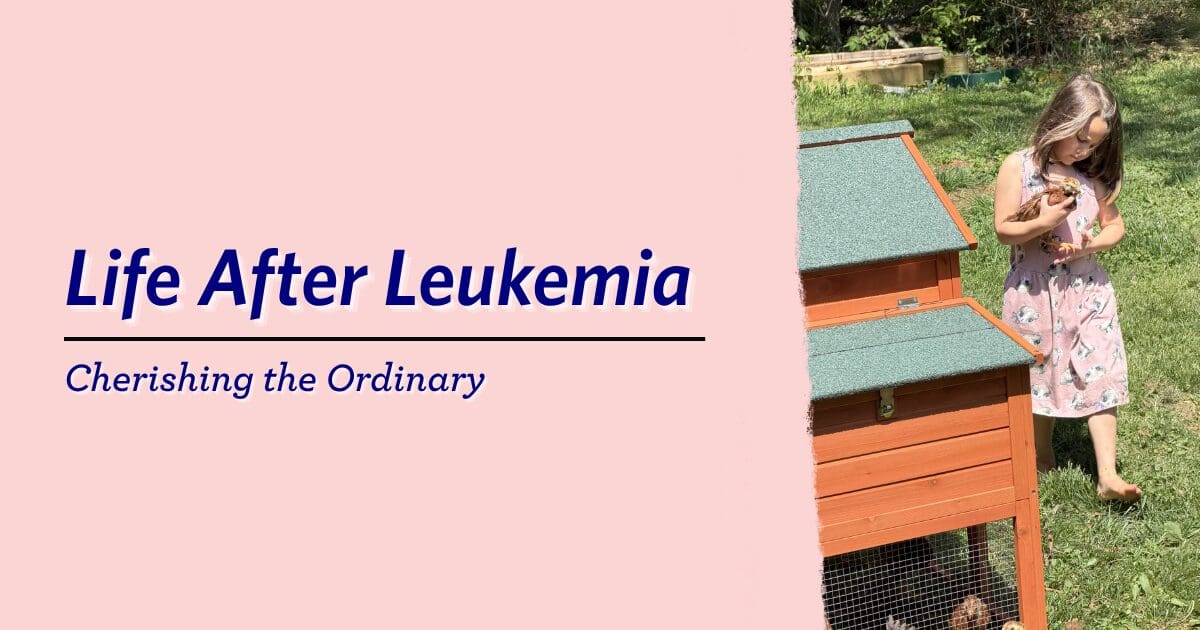
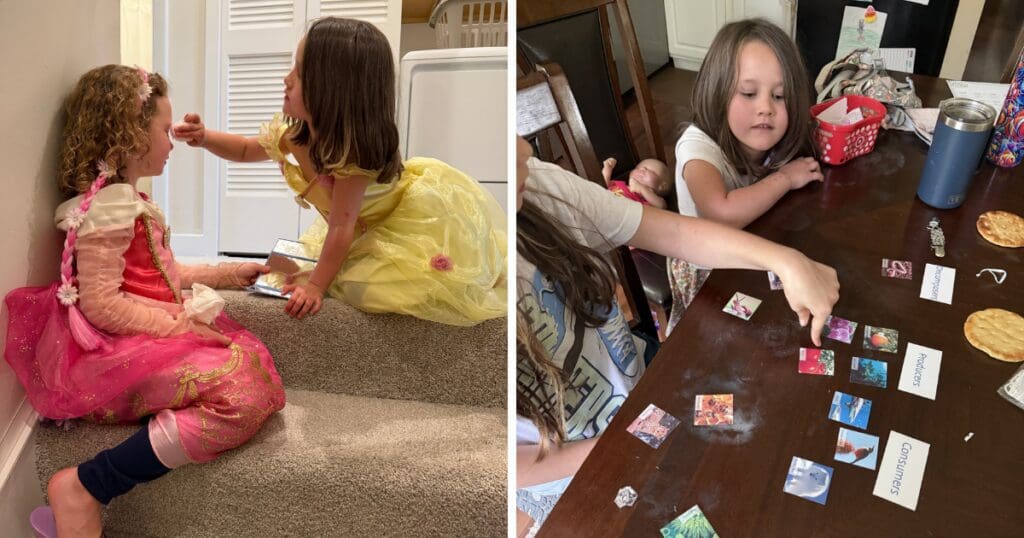
It is having chickens without worrying so much about germs. It is watching her learn to read, write, and do math. All the ordinary moments of life are cherished and held close to our hearts.
We wouldn’t have these moments without the researchers dedicating their lives to finding better treatments for kids like Laurel. The hours, setbacks, and difficult days in the lab are all part of the work that gives families like ours hope. My daughter’s treatment exists because researchers kept going, even on the hard days.
Just because treatment is over doesn’t mean the fear disappears. We still have follow-ups and watch closely for long-term side effects. Every fever still brings worry. Not just for me, but for Laurel too.
“Mommy, does this mean I have to go to the hospital?” is the question she asks every time she doesn’t feel well.
My mom heart understands because I’m worried too.
But I believe there can be a future with less fear. A future with fewer relapses, fewer lifelong side effects, and more kids getting the chance at a normal childhood. That future is possible if we continue to invest in research. Every child deserves the best possible start to life.
Donate to Support More Lifesaving Research