Sue and I welcomed Tillie to this world in 2003. She was diagnosed with childhood leukemia at just 22 months old, our family entered a world we never imagined. What followed were years of chemotherapy, hospital stays, a cancer relapse, brain radiation, and countless challenges that tested our strength in ways we never thought possible, all while caring for her younger brother Jared, who was only 2 months old at the time.
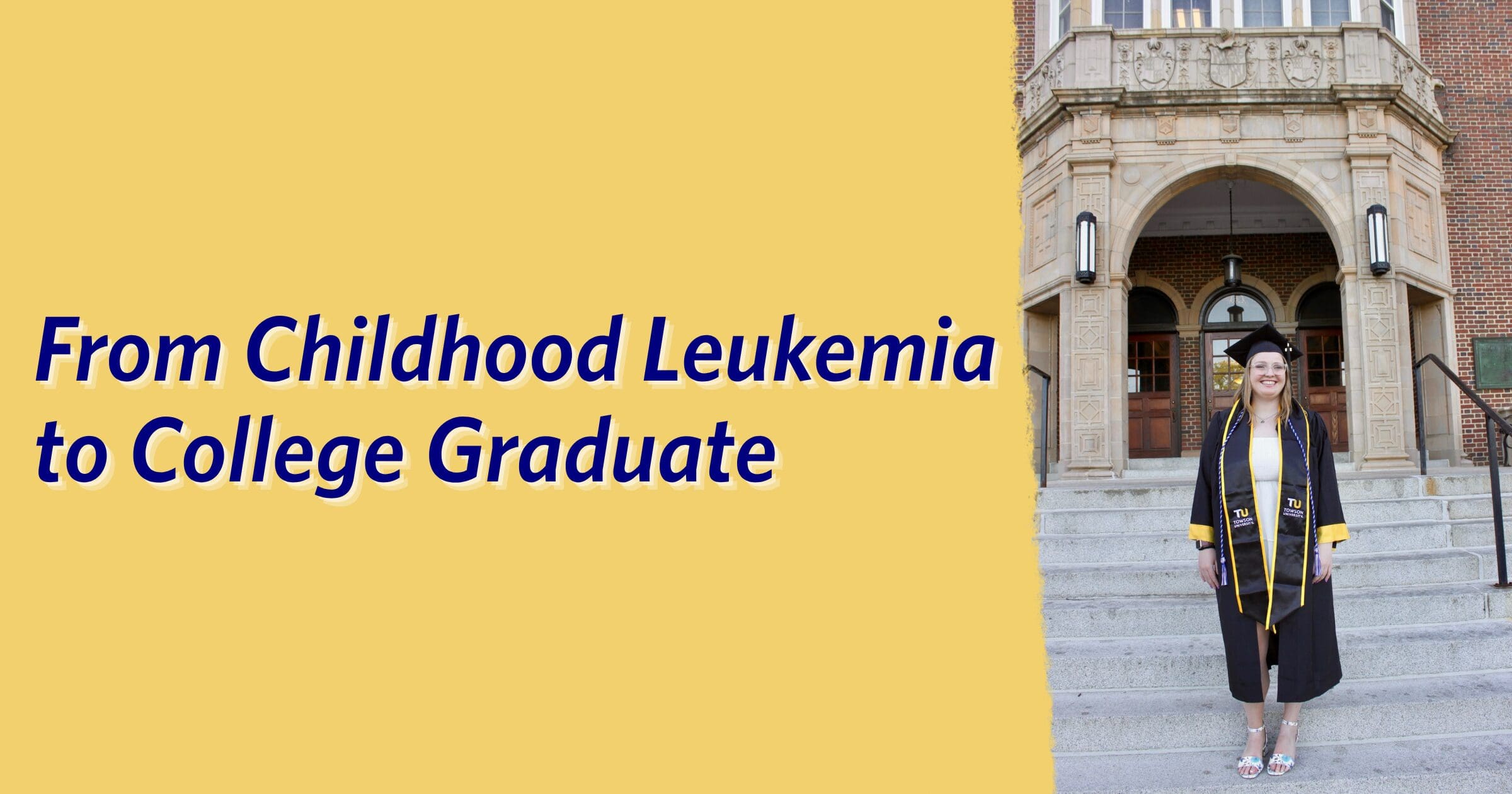
Today, Tillie is a childhood cancer survivor, a college graduate, and an aspiring Child Life Specialist dedicated to helping children facing the same battles she once endured.
This is our family’s story. A journey through pediatric cancer treatment, survivorship, resilience, and the importance of funding childhood cancer research so more children can have the opportunity to live beyond cancer.
A Childhood Leukemia Diagnosis at 22 Months Old
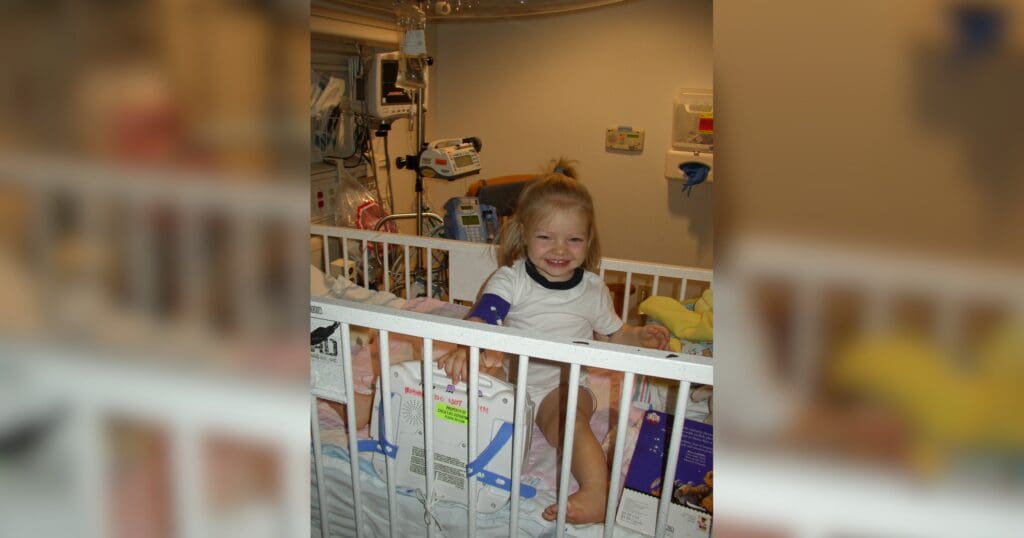
Tillie’s initial treatment lasted four years. The first month was spent in the hospital while doctors monitored how her cancer responded to chemotherapy. Thankfully, the leukemia cells began to diminish, and we were able to bring her home. Home, however, looked very different than it had before. Our kitchen became a makeshift pharmacy and 24-hour diner. Sue and I administered more than a dozen medications every day, carefully tracking doses with spreadsheets I created to keep everything organized.
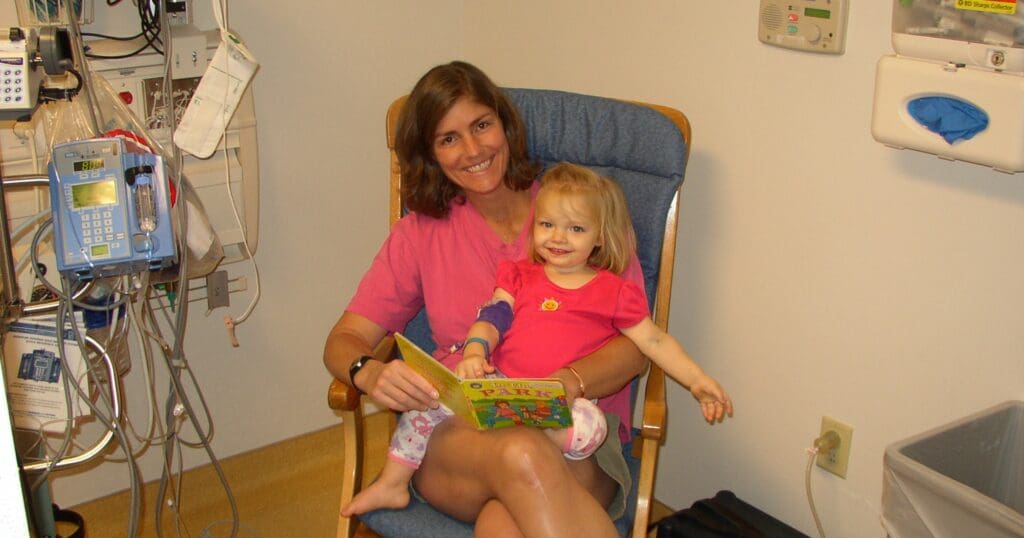
One medication, a steroid, left Tillie constantly hungry and full of energy at all hours of the day and night. If she wasn’t sleeping, neither were we. We took turns caring for her and catching up on whatever sleep we could find. At that age, Tillie didn’t know she was missing out on childhood experiences—she thought chemotherapy was simply part of life. Looking back, that realization still breaks my heart.
When Childhood Cancer Returned: Tillie’s Relapse
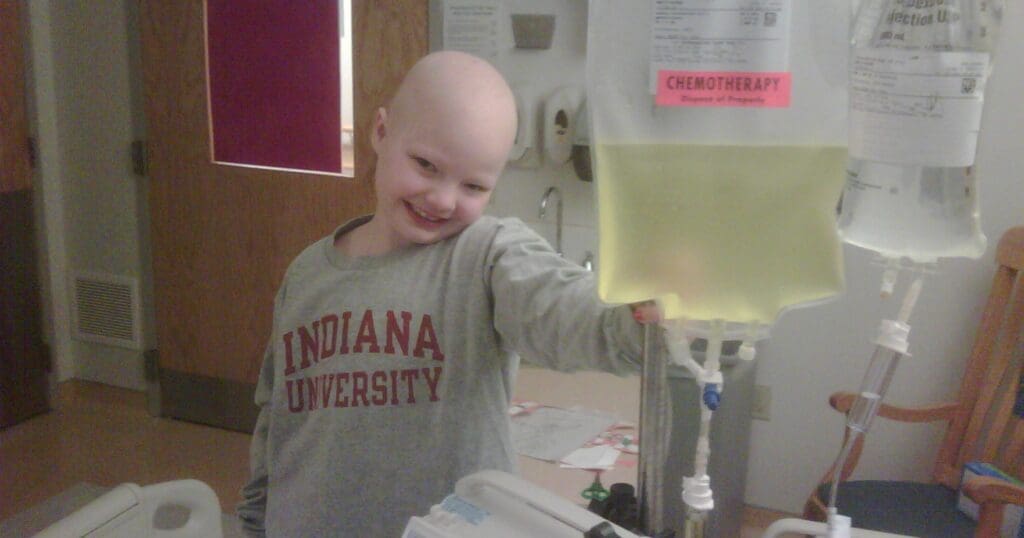
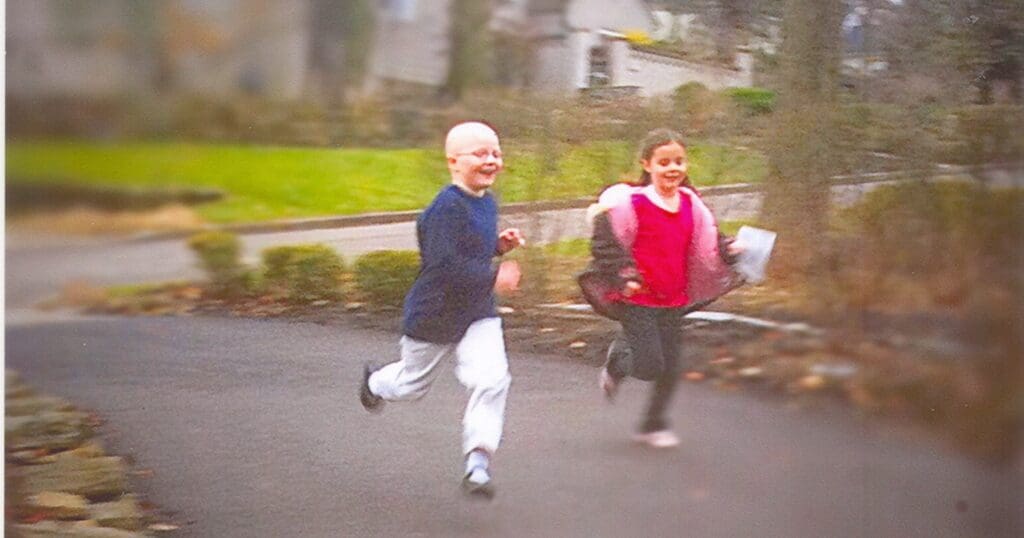
Just when we thought we had put cancer behind us, Tillie relapsed in November 2009 at six years old.
Her relapse treatment was much more aggressive and lasted two years. During the first year alone, she spent seven months as an inpatient. Along with intensive chemotherapy, she underwent a month of brain radiation. Some of the treatments left her incapacitated for days at a time. Over the course of her cancer battles, she endured more than 40 spinal taps. While she became remarkably unfazed by those procedures, I never stopped feeling anxious every time one was performed.
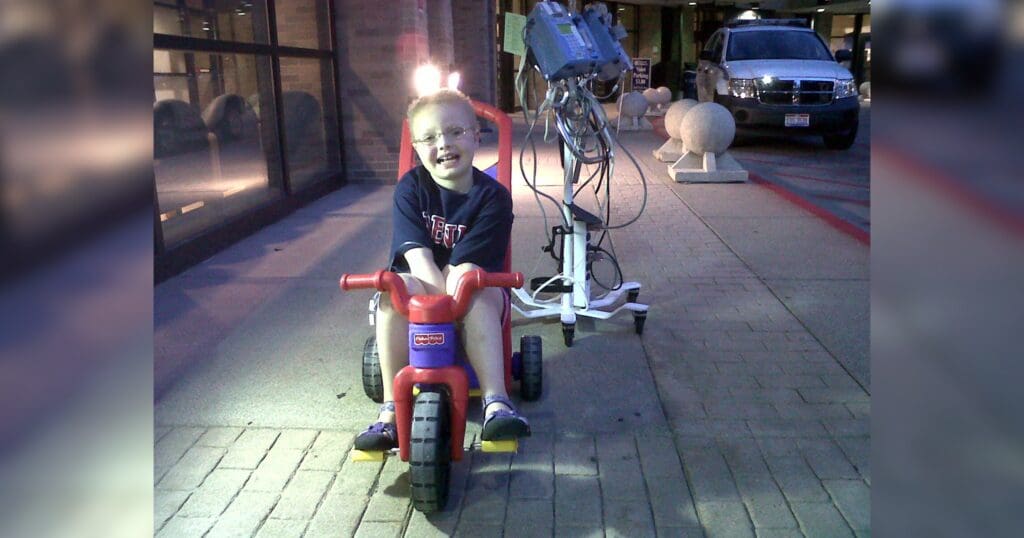
The second year involved frequent outpatient visits for high-intensity chemotherapy and ongoing side effects. At home, we cared for her central line and managed the countless responsibilities that came with treatment.
The side effects were severe. Some chemotherapy treatments left her sick for a week. Noise and light became unbearable. Certain medications affected her ability to walk and impacted her fine motor skills, requiring occupational therapy. She lost her hair during both cancer battles.
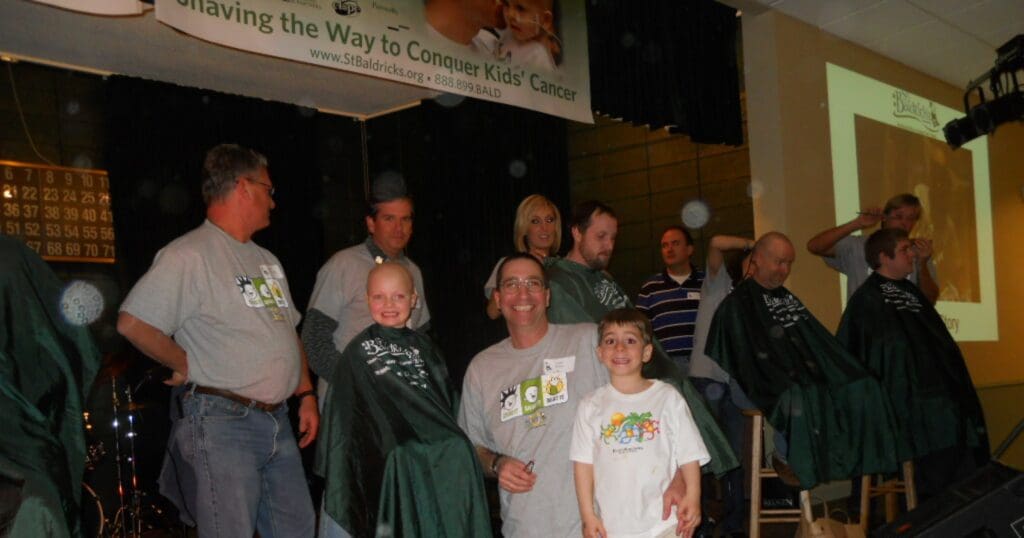
I remember asking Tillie if she wanted me to shave my head too so we could both be bald. She smiled and said yes. We spent the afternoon at the barber shop and turned it into a fun experience. At the time, I had never heard of the St. Baldrick’s Foundation. I had no idea that one day shaving my head would become such an important part of our family’s journey.
The Lasting Effects of Pediatric Cancer Treatment
Cancer affected far more than Tillie’s health.
Because her immune system was so compromised, visitors were rarely allowed in our home or hospital room. The isolation was overwhelming. During her relapse, Tillie had to leave kindergarten just as she was beginning to make friends. Instead of spending her days with classmates, she spent them with doctors, nurses, and hospital staff.
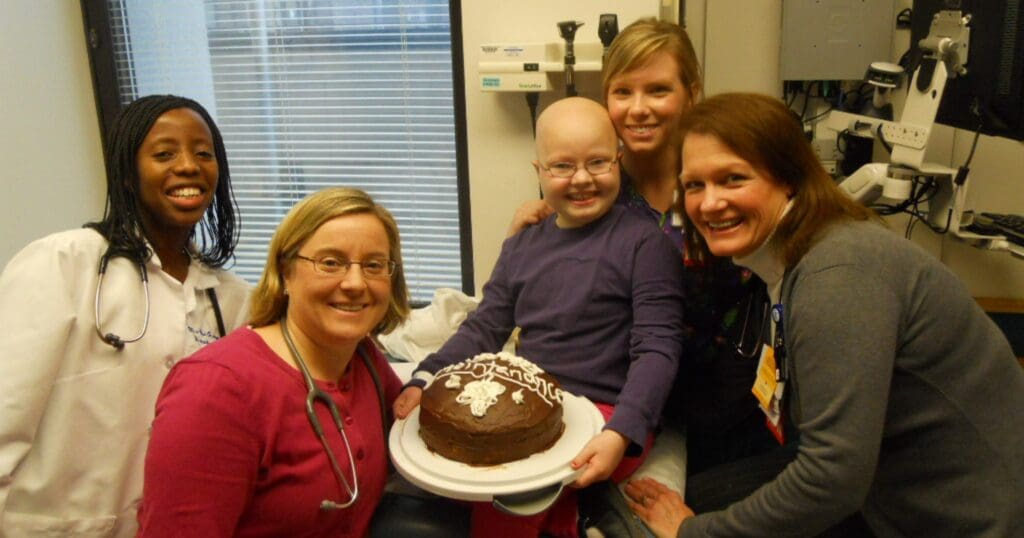
For seven months, Sue and I lived a life of constant rotation. One night she would stay with Tillie at the hospital while I stayed home with Jared. The next night we switched. We repeated that cycle over and over.
One of the most difficult long-term effects of treatment was the loss of vision in Tillie’s right eye. She adapted with remarkable determination, but it created challenges later when learning to drive. Together, we practiced relentlessly until she passed her driving test.
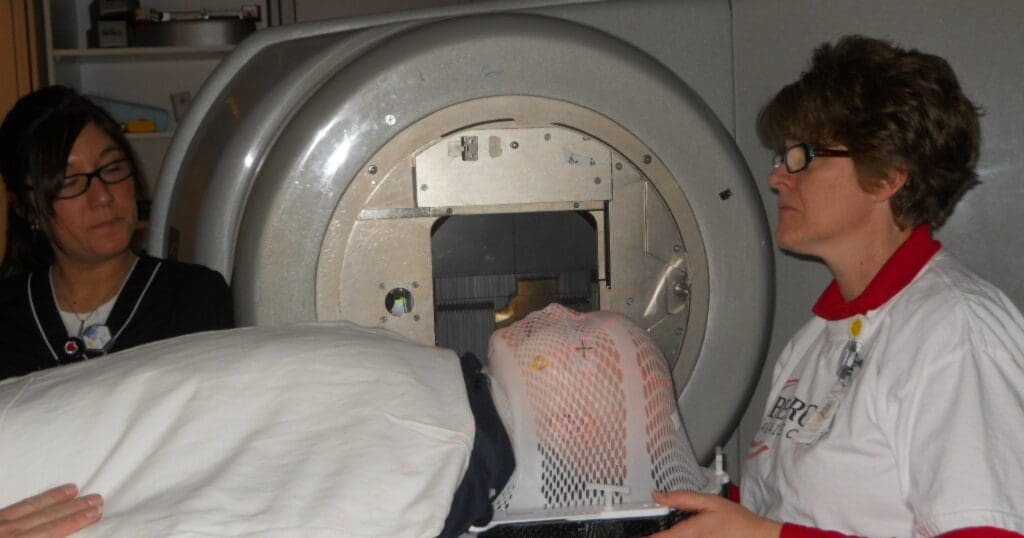
The brain radiation also had lasting impacts. Doctors warned us that learning, particularly math and science, would be difficult and that executive function challenges were likely. Those predictions became reality beginning in fourth grade. Despite frustration and setbacks, Tillie worked incredibly hard. With the help of dedicated teachers, tutors, and a specialized school, she eventually transitioned back to a traditional high school and continued on to college.
In May 2026, she graduated from college—a milestone that once felt uncertain.
Finding Support During a Childhood Cancer Journey
Throughout our journey, the doctors, nurses, therapists, and hospital staff became more than caregivers. They became our community.
We spent so much time together that they were often the only people we regularly saw. We learned about their families, and they learned about ours. On one special day, when Tillie’s blood counts were strong enough, she was able to attend the wedding of one of her favorite nurses. It remains one of her happiest memories from that time.
Our friends and family also carried us through the hardest days. Conversations with other parents in hospital hallways provided understanding that only someone walking a similar path could offer.
Why Funding Childhood Cancer Research Matters
During our years at the hospital, we witnessed families facing heartbreaking circumstances. We saw children whose cancers did not respond to available treatments. We met parents who could not always be at the hospital because they had to work. We watched nurses stay beyond their shifts to make sure children weren’t alone.
Research has dramatically improved survival rates, but there is still work to do.
Every child deserves the chance to grow up, pursue their dreams, and live a full life. More research means better treatments, fewer side effects, and ultimately cures. More funding makes that research possible.
Our goal should be simple: no more sick children.
Why I Continue to Shave for Childhood Cancer Research
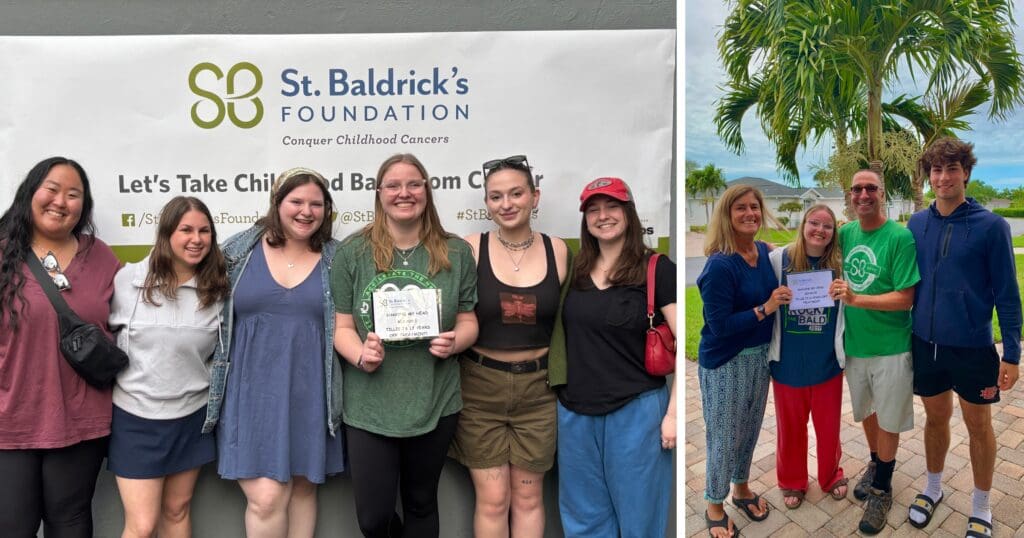
People often ask why I continue to participate in St. Baldrick’s year after year.
The answer is simple: hope.
Hope for better treatments. Hope for fewer side effects. Hope for the day when a childhood cancer diagnosis is no longer devastating. Maybe even hope for a “silver bullet”—one simple cure that ends childhood cancer forever.
The annual St. Baldrick’s fundraiser also gives me an opportunity to reconnect with the people who have supported our family for so many years. Through donation letters and updates, they continue to follow Tillie’s journey and celebrate her accomplishments alongside us.
Becoming a Childhood Cancer Survivor
Today, Tillie is thriving.
She is deeply social, compassionate, and empathetic. During her relapse, she noticed that not every child in the hospital had access to toys. She suggested collecting new toys for patients spending the holidays in the hospital. With help from family and friends, we gathered more than 125 toys to distribute to children and stock the playroom.
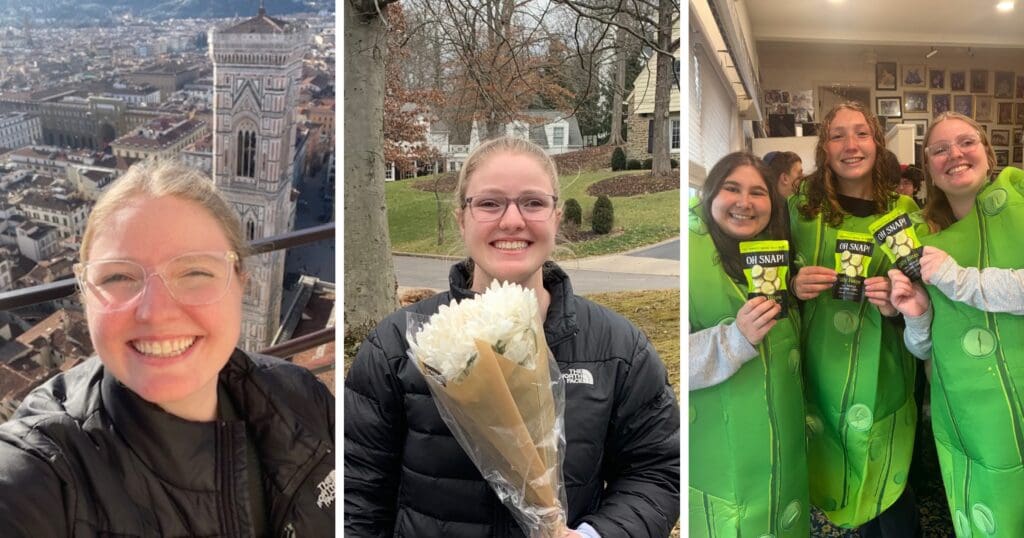
In high school, she played softball and swam competitively. She earned the National Interscholastic Swimming Coaches Association All-America Academic Award. She loves cooking, baking, and reading—especially the Harry Potter series, which provided an escape during difficult days.
Most importantly, she has chosen a path inspired by her own experiences. Her goal is to earn a master’s degree and work in a hospital Child Life Program, helping children navigate the same challenges she once faced.
Looking Toward the Future
As parents, our hopes for Tillie are simple.
We hope she remains healthy. We hope she continues to find joy in life. We hope she builds a fulfilling career helping children and families facing cancer. And we hope she never loses the resilience, compassion, and determination that carried her through every challenge.
Cancer changed our family forever. But it also showed us the incredible strength children possess, the importance of community, and the power of hope.
Tillie’s story is proof that while cancer may shape a life, it does not define it.
In describing Tillie’s early childhood struggles and successes, we clearly recognize there are others with a less fortunate outcome. Our hearts ache for the children and parents where the outcome has been less than prayed for, less than hoped for, or just less. We saw some of those children and parents while in the hospital. We absolutely need more research to find our way to a cure. Now.