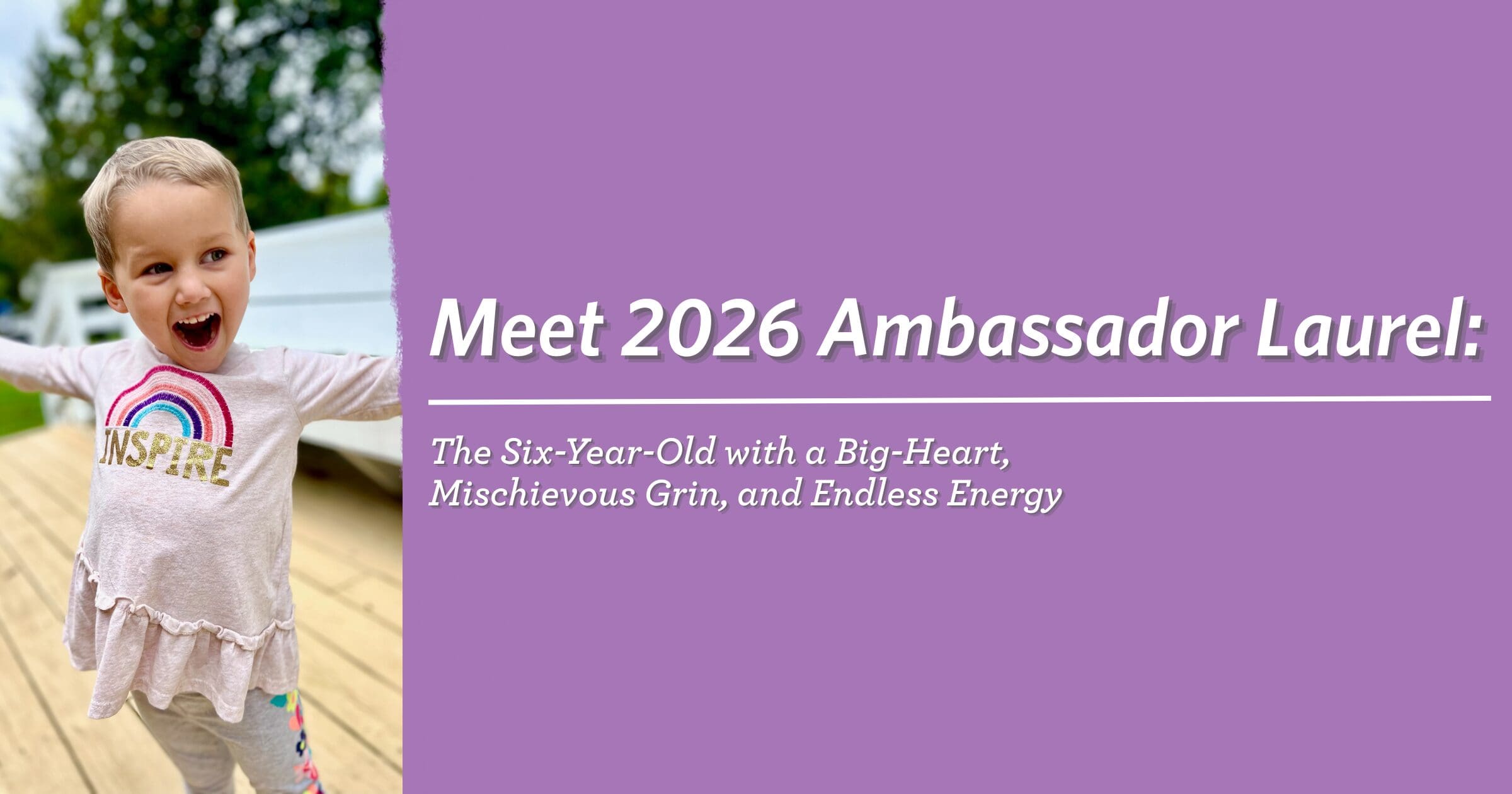
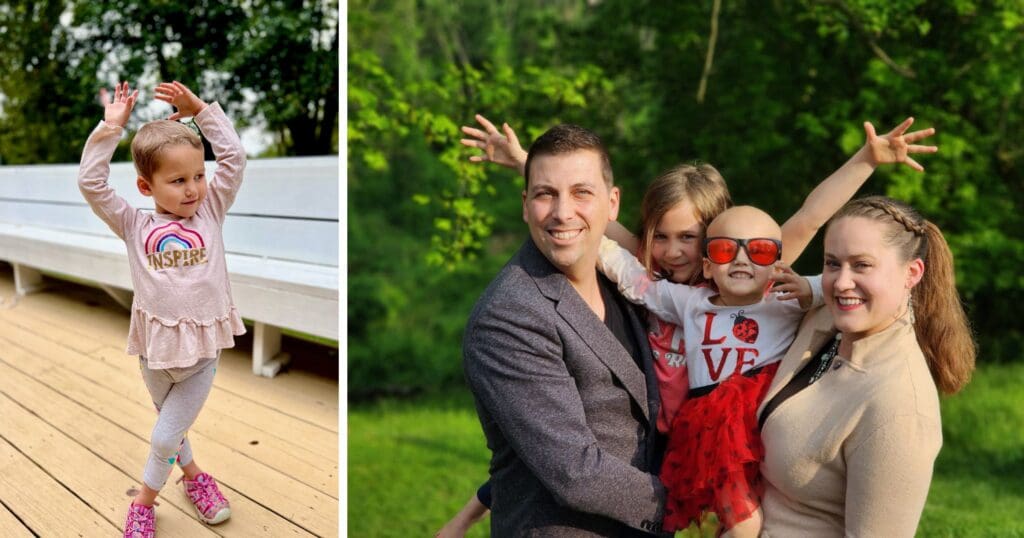
When you meet six-year-old Laurel, you’re immediately drawn in by her mischievous grin and endless energy. She’s the kind of kid who will give you a hug if you’re sad—and then crack a joke to make you laugh. You’d never guess that this bright, dancing, taco-loving little girl has already fought a battle most adults could never imagine.
In September 2022, two weeks before her third birthday, Laurel was diagnosed with B-cell acute lymphoblastic leukemia (B-ALL). What began as unexplained leg pain and a rash on her stomach quickly turned into an urgent trip to West Virginia University Children’s Hospital, where her parents, Joshua and Kathryn, learned that their toddler had cancer.
“It was like the world stopped,” Kathryn recalls. “She was so little. We didn’t even know how to explain cancer to her.”
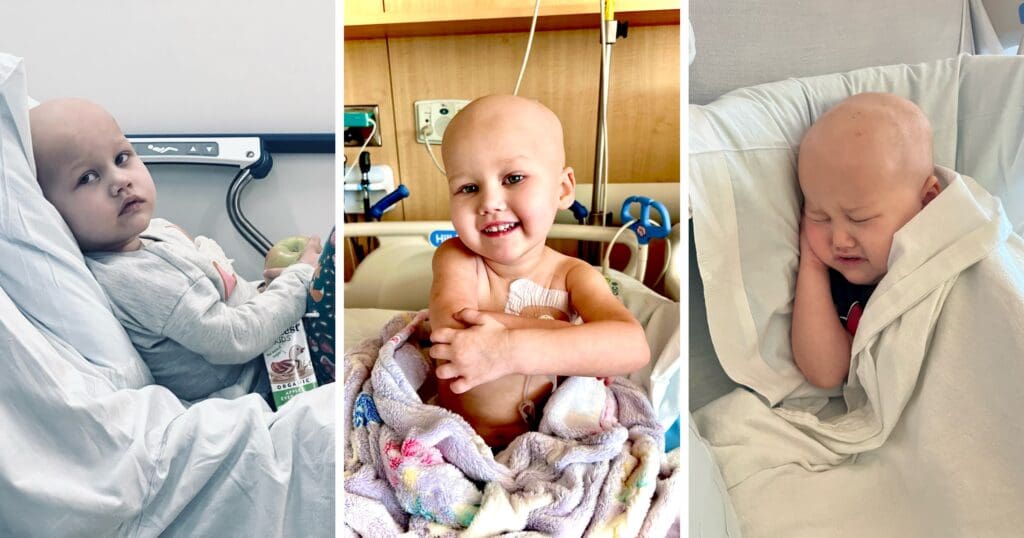
Thanks to a compassionate medical team, Laurel began to understand what was happening to her tiny body. Using dolls and storybooks, her parents, nurses, and child life specialists showed her what her PICC line and port would do, how the medicine would help her “get the yucky stuff out,” and why her hair would fall out.
Soon, Laurel was proudly explaining to others, “I’m bald because I have cancer.”
Laurel’s treatment spanned more than two years and included over 120 nights in the hospital, 26 blood and platelet transfusions, and 16 lumbar punctures. She underwent numerous rounds of chemotherapy and took part in the Blinatumomab (“Blina”) clinical trial as part of the control group, which meant she did not receive the drug.
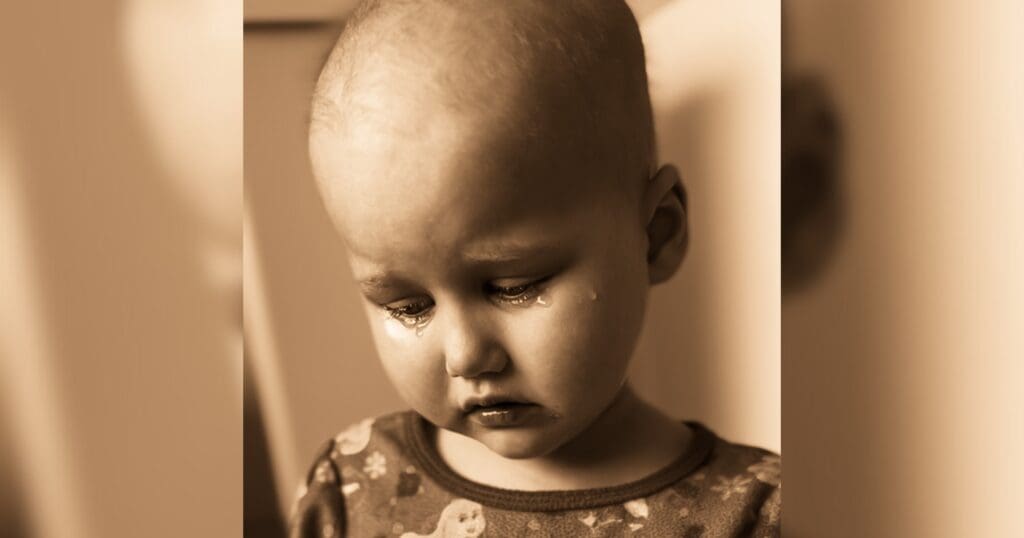
There were good days and hard days—days filled with playdough and laughter, and days when pain and fatigue stole her sparkle. Through it all, Laurel found comfort in the small routines of hospital life: visits from Tony the therapy dog, music therapy sessions, and watching Dino Dana during breakfast.
Her big sister, Lillian, was her constant companion. The two spent nearly every day together during Laurel’s hospital stays, playing with makeup and giggling until their faces (and Laurel’s bald head) were covered in sparkles. Their bond became an anchor amid uncertainty.
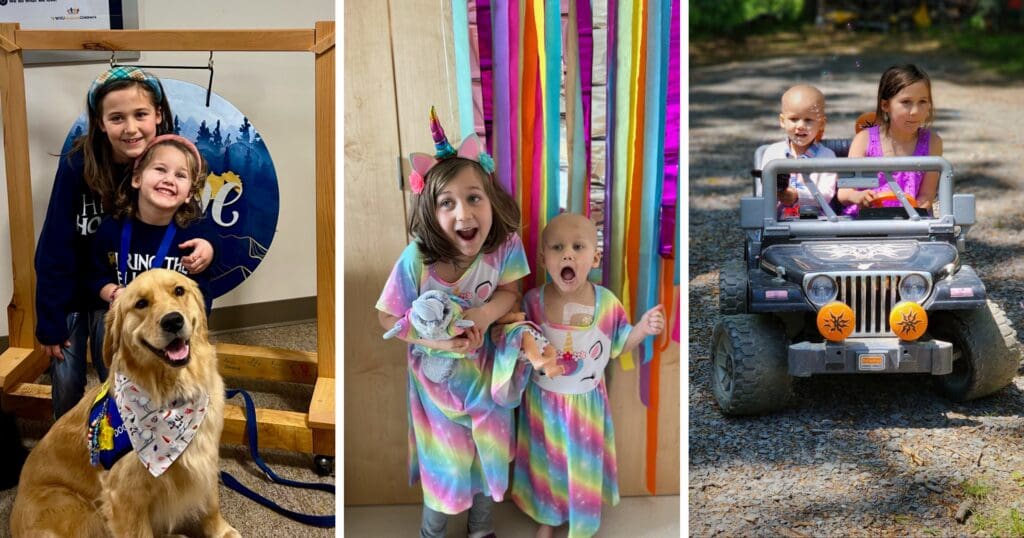
“Laurel looks up to Lillian so much,” Kathryn says. “They’re best friends. Lillian reads to her, helps her get dressed, and always holds her hand. They went through this together.”
Today, Laurel is in remission, with checkups every two months and plans to restart her immunizations soon. Because she was so young when she began chemotherapy—having just received her early childhood vaccines—her care team recently checked her immunization titers and determined she’ll need boosters. While it’s concerning that she isn’t yet fully vaccinated, her family takes extra care to keep her safe while still enjoying life beyond treatment. On December 16, 2025, they celebrated her one-year post-treatment milestone—a date that represents not only the end of chemo, but the beginning of a new chapter.
Now a kindergartner with a passion for ballet, horseback riding, and baking, Laurel is determined to make up for lost time. Her summer days are spent kayaking on the Potomac, building sandcastles on the beach, and crafting treasure hunts she calls “sand baby adventures.”
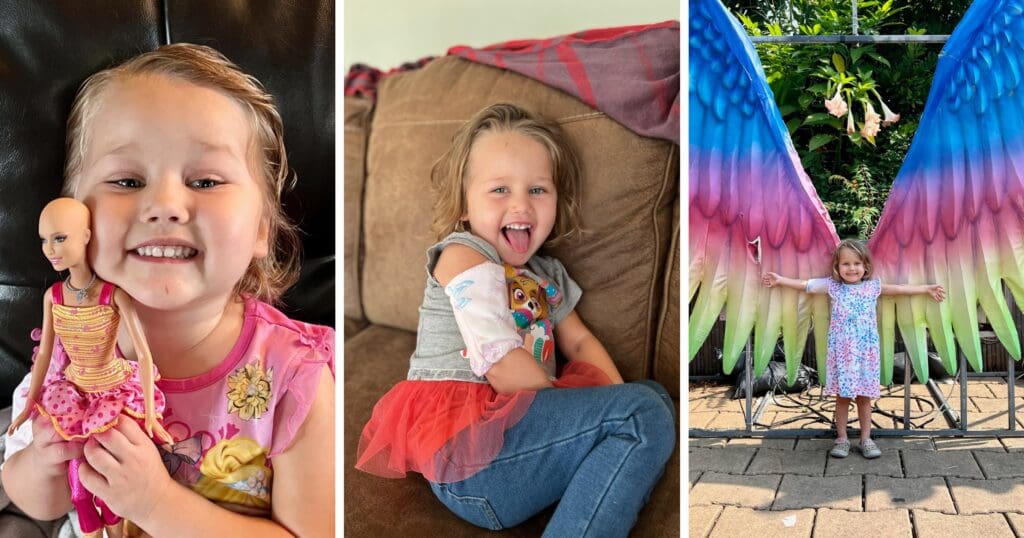
And when she grows up, Laurel wants to be both a ballerina and a doctor—because why choose just one dream when you’ve already beaten cancer?
The Armstrong family first heard about the St. Baldrick’s Foundation through Laurel’s oncologist, who participated in a head-shaving event. Seeing firsthand how St. Baldrick’s funds drive research and save lives, they knew they wanted to get involved.
“For us, it’s personal,” Joshua explains. “Without the research St. Baldrick’s supports, Laurel might not be here today. Every treatment she received, every protocol that gave her a chance—it all came from research that donors made possible.”
Laurel’s story is one of hope, science, and the power of community. Her family attends St. Baldrick’s events, advocates for increased federal funding for childhood cancer research, and cheers for every researcher who makes another discovery possible.
And Laurel? She’s busy twirling, baking, building sandcastles—and living the childhood she fought so bravely to keep.
Because of people like you, she can dream, dance, and grow.
“If we could tell every donor and volunteer one thing,” Laurel’s mom says, “it’s thank you. You didn’t just fund research—you gave our daughter her future.”
Kids like Laurel deserve a future full of adventures, love, and laughter. You can make that future possible by supporting childhood cancer research.