For decades, children diagnosed with B-cell acute lymphoblastic leukemia (B-ALL), the most common type of childhood cancer, were treated with chemotherapy alone. While chemotherapy could cure many, it required nearly a dozen different medicines given over two and a half years — and for some children, it still wasn’t enough. About 15% of kids would relapse, and when that happened, survival became much more difficult.
We knew we needed something better.
That “something better” came in the form of an entirely different approach: immunotherapy.
How Blinatumomab Works
Blinatumomab (or “Blina”) is a medicine with two connected parts. One side attaches to the B-ALL cancer cells. The other side attaches to a child’s normal T-cells, which are powerful immune cells naturally designed to kill anything nearby that doesn’t belong. By connecting the two, blinatumomab literally brings the immune system face-to-face with leukemia cells — and lets it do the work of destroying them.
It’s a beautifully simple concept: use the body’s own defenses to fight cancer.
The Leap of Faith
When we launched the Children’s Oncology Group (COG) trial known as AALL1731, it was the first time an investigational immunotherapy drug was tested in children with newly diagnosed B-ALL. Past trials had focused on optimizing chemotherapy. Here, we introduced something entirely new — and we were testing it in kids who already had fairly good survival outcomes with chemo alone.
It was a leap of faith. But the early data told us this drug was different.
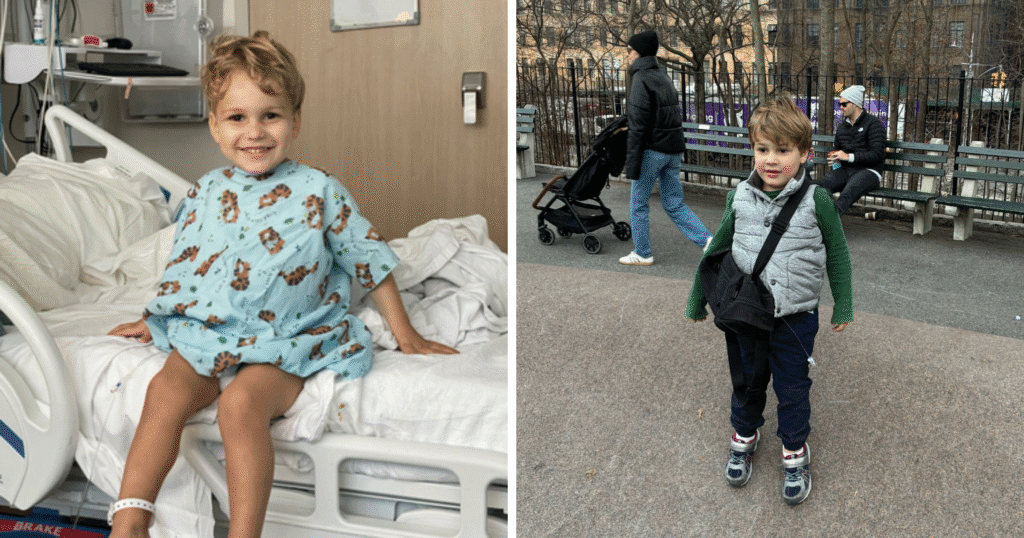
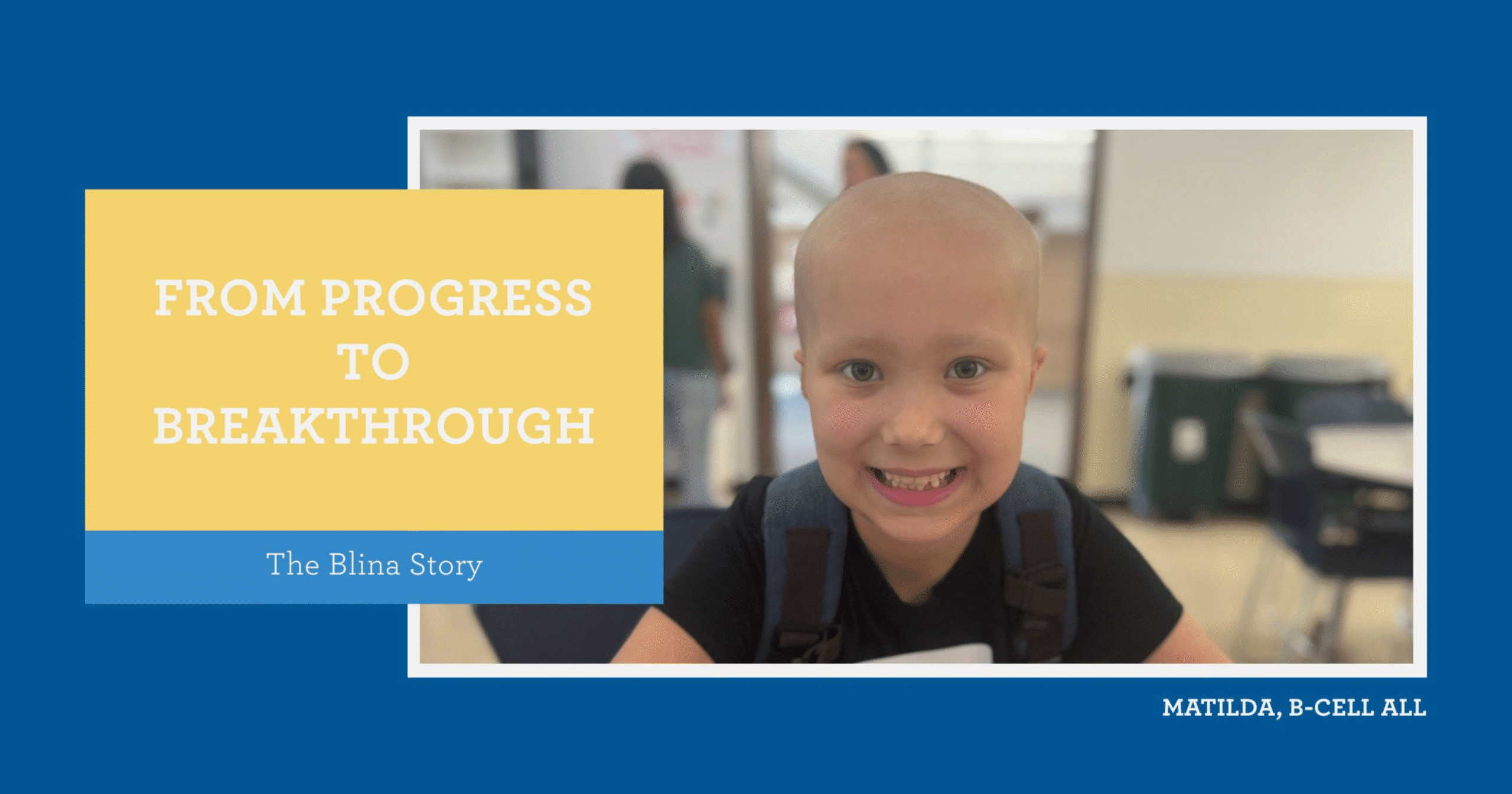
Sal, diagnosed with B-ALL, was treated with blina during the clinical trial phase.
Collaboration on a Global Scale
This trial was massive. Over 200 hospitals across North America, Australia, and New Zealand participated. Hundreds of physicians, nurses, pharmacists, pathologists, and research coordinators worked together, alongside our partners at Amgen, Adaptive, and the National Cancer Institute.
It was truly a worldwide effort, all with one shared goal: to see if adding blinatumomab to chemotherapy could save more children’s lives.
A Staggering Result
I still remember the day we saw the results of the interim analysis. Even with just 40% of the expected data in, the difference was undeniable: blinatumomab reduced relapses by 61%.
Our trial had been designed to detect a 30% reduction in relapses, which already felt ambitious. To see twice that impact was staggering. The result was so clear, we closed the trial early so every child could have access to blinatumomab.
That was the moment we knew this wasn’t just progress — it was a breakthrough.
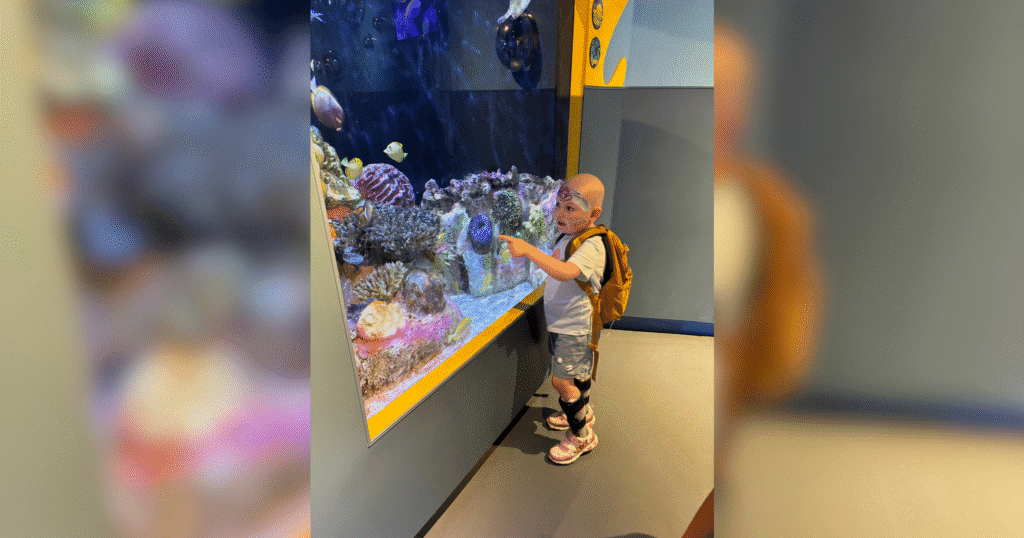
Julia, diagnosed with B-ALL, is getting treatment through her backpack while still being a kid and exploring the aquarium.
What It Means for Families
Today, blinatumomab is part of the new frontline standard of care for children with B-ALL. That means fewer relapses, more children surviving, and more families holding onto hope.
And perhaps just as important, blinatumomab can now be given at home through a small pump carried in a backpack. Instead of spending weeks in the hospital, kids can go to school, play, and live their lives while receiving treatment.
For families, that difference is immeasurable. It’s not only about survival — it’s about giving kids back their childhood while pushing survival rates higher than ever before.

At St. Baldrick’s, this breakthrough has inspired something new: Send Kids’ Cancer Packing.
The challenge is simple but powerful — wear a symbolic backpack for 28 days or 28 miles to honor the treatment cycle kids go through with blinatumomab, and raise funds for research that will give even more kids the chance to laugh, play, learn, and live like kids again.
Because while survival rates are climbing, too many kids still need safer, more effective treatments. Together, we can help fund the next breakthrough — and send kids’ cancer packing once and for all.