Meeting Our Bright Little Girl
When you meet our daughter Adalyn, the first thing you notice is her brightness. She may start out shy, peeking from behind me or her mom, Ally, but hand her a paintbrush or a piece of chocolate, and she lights up the room. Adalyn brightens every space she enters—and she has an unshakable curiosity about the world around her.
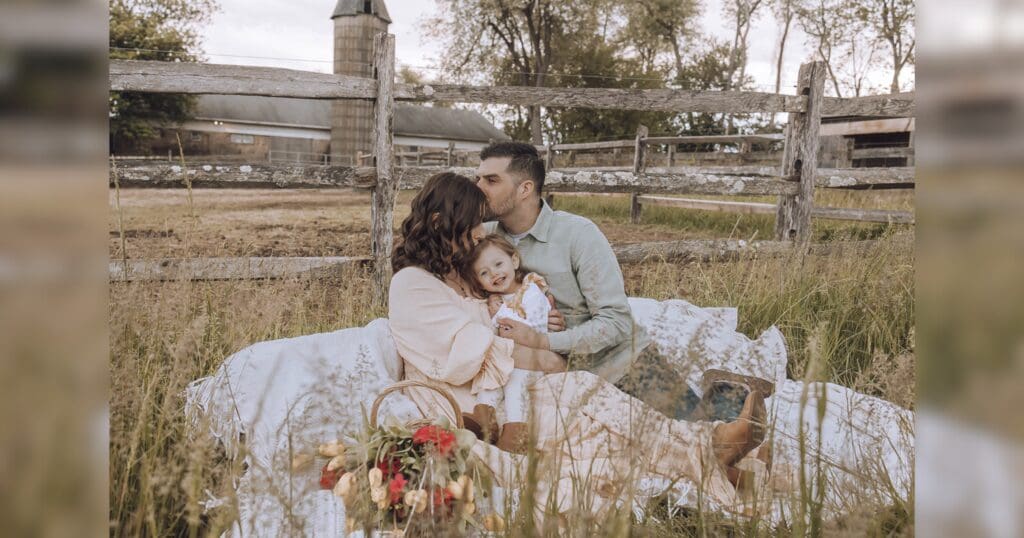
It’s hard to believe that only months ago, our little girl was fighting one of the most aggressive childhood cancers—rhabdomyosarcoma.
A Diagnosis That Changed Everything
On May 9, 2024, Adalyn was diagnosed after a tumor was found on her tongue. Because of its size and location, surgery wasn’t an option. Suddenly, the “normal” toddler years we had imagined vanished. Our days became filled with medical appointments, treatment plans, and unthinkable decisions no parent should ever face.
At the Children’s Hospital of Philadelphia (CHOP), her care team developed an aggressive plan: 40 weeks of VAC chemotherapy—Vincristine, Actinomycin-D, and Cyclophosphamide— and 4 weeks of daily proton-beam radiation. Each radiation session required general anesthesia, something that terrified our two-year-old.
The Daily Struggle of Treatment
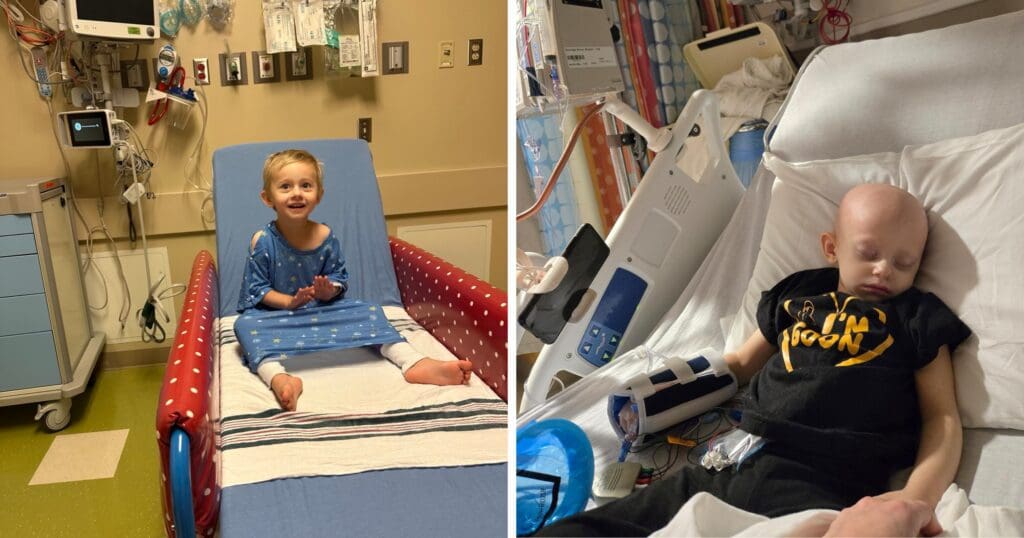
Treatment was grueling. Adalyn battled severe neutropenia, constant nausea, and frequent infections. When she contracted the flu while immunocompromised, her condition worsened quickly, requiring critical care interventions. Weeks were spent in the hospital, days passed in emergency rooms, and some moments were so frightening we could only take one hour at a time.
At home, life revolved around medications, injections, feeding pumps, and strict infection-control routines. Ally and I juggled remote work while trying to maintain a sense of normalcy for Adalyn. Every day demanded vigilance, patience, and total self-sacrifice. Even a small break, like scrolling through social media, could feel unbearable when it reminded us of ordinary life we couldn’t access.
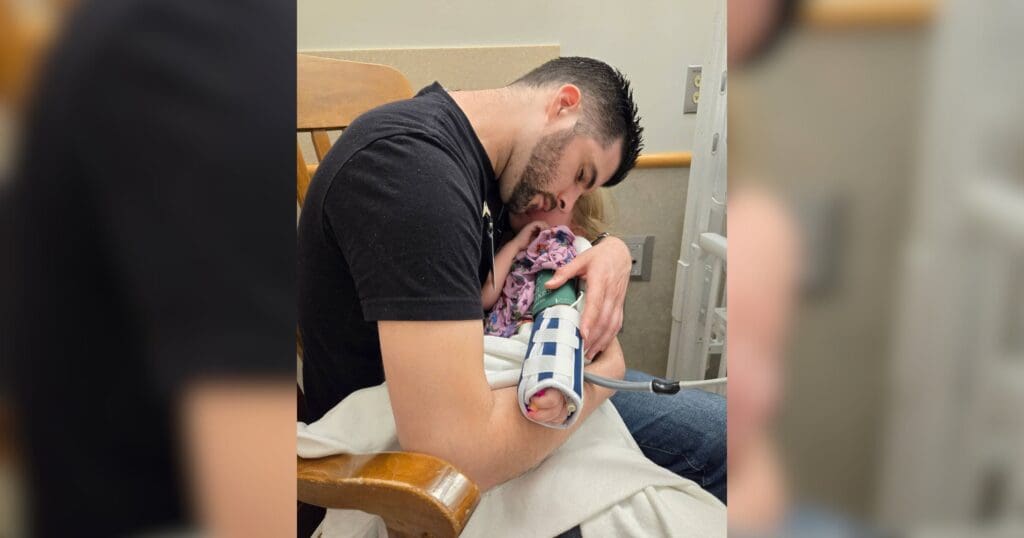
The hardest stretch was radiation month. Every morning, we would wake early, drive to CHOP, and watch our daughter be put under anesthesia again and again—experiencing fear no toddler should ever know. And yet, through it all, Adalyn showed a courage and resilience that left us humbled. I remember the moments she cried out for comfort in the middle of procedures, her tiny hand reaching for mine as I tried to reassure her. There was nothing I could do to take away her pain—I could only be there, and that became my mission.
Life After Treatment
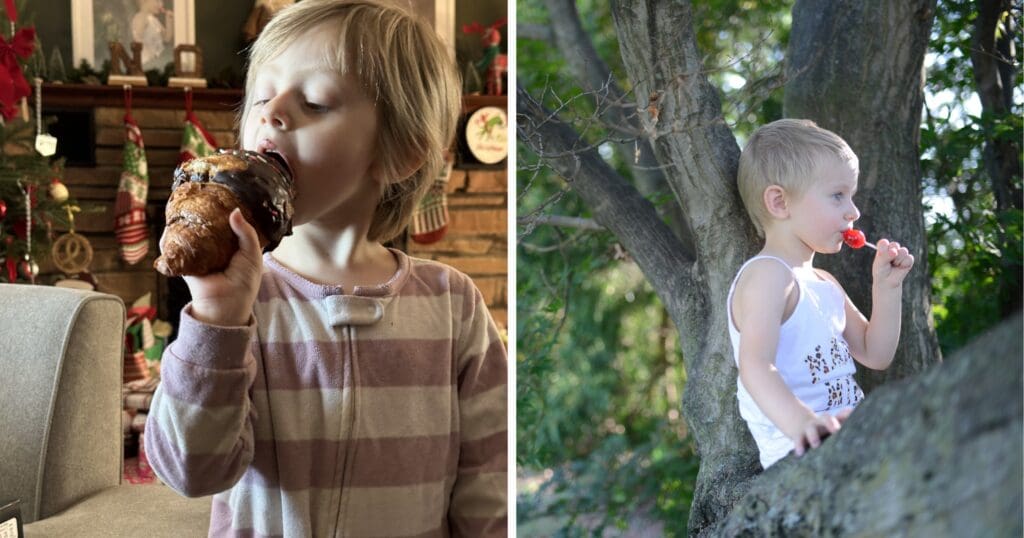
Despite these challenges, Adalyn’s spirit never fully dimmed. Today, she is off chemotherapy and on a three-month cycle of MRIs, X-rays, and CT scans. She is wildly active, playful, and curious. She paints constantly, nurtures her love of the outdoors, explores National Parks with her stamped passport in hand, and delights in animals, bug-hunting, and anything silly—especially singing “Potato Dog.” Her favorite foods? Chocolate-dipped croissants. Her favorite games? Tag, which she calls “Run-Around!”
Life today looks far more like childhood. And through it all, Adalyn has taught us perseverance, courage, and the importance of cherishing the small moments. Even in the midst of fear and exhaustion during treatment, she embraced life with joy, and reminded us that happiness can exist alongside hardship.
Finding Purpose Through Advocacy
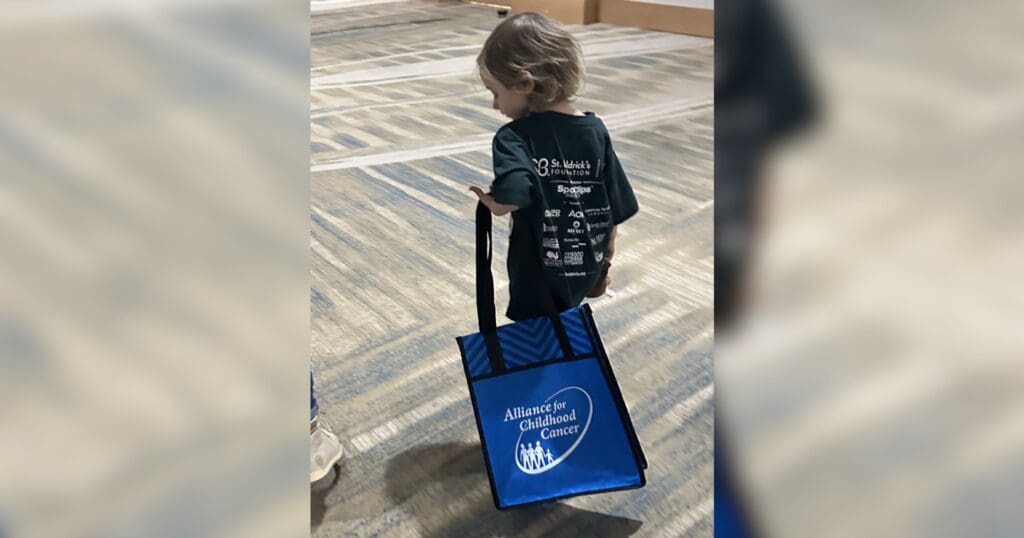
Our journey with Adalyn also inspired us to get involved in advocacy. Early in treatment, St. Baldrick’s provided us with a binder of resources that helped us navigate this frightening world and gave us a foothold when we needed it most. It became clear that sharing our story could help other families and push for better treatments for kids facing cancer.
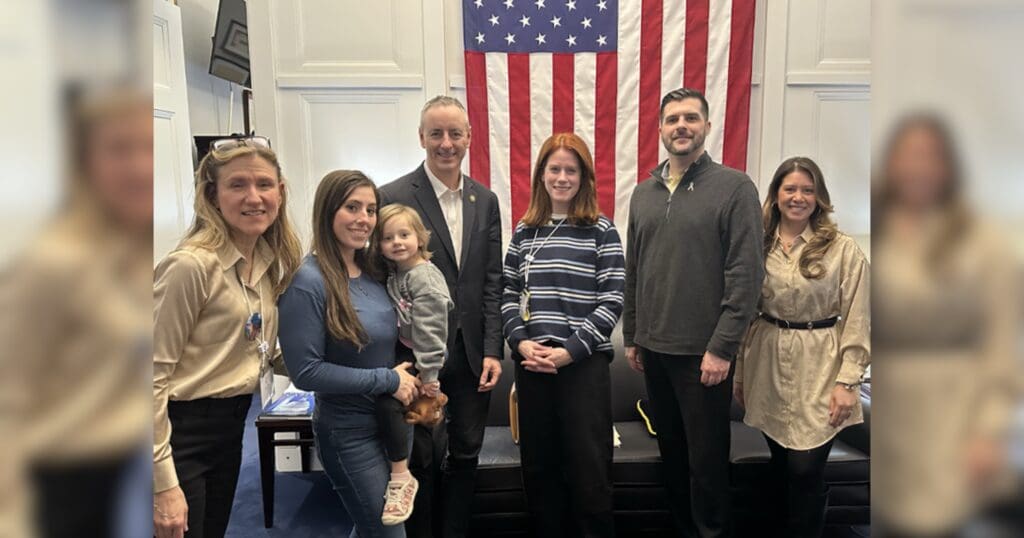
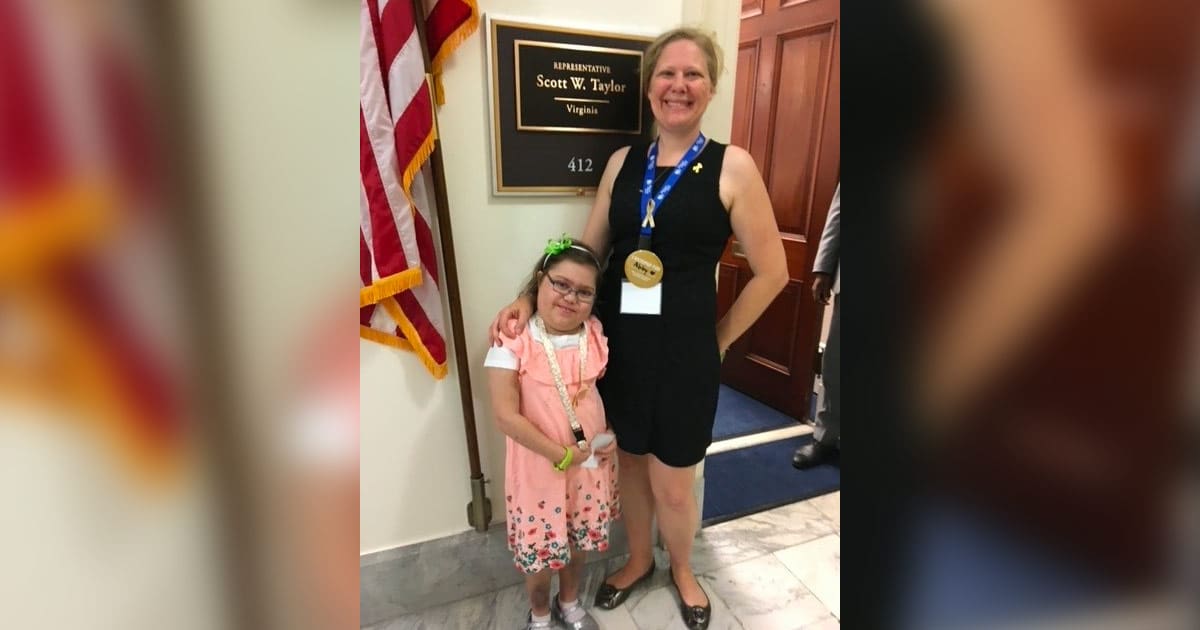
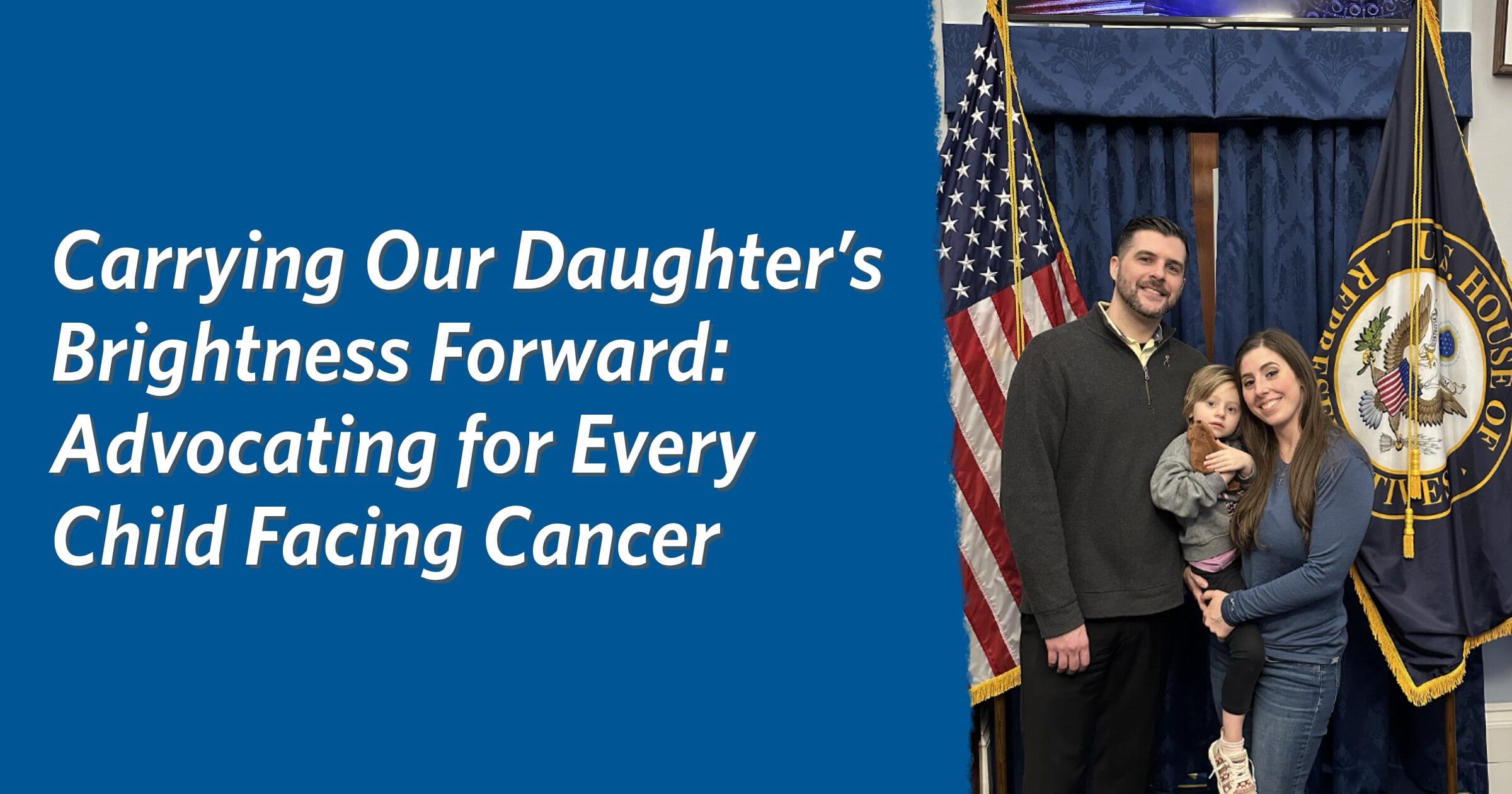
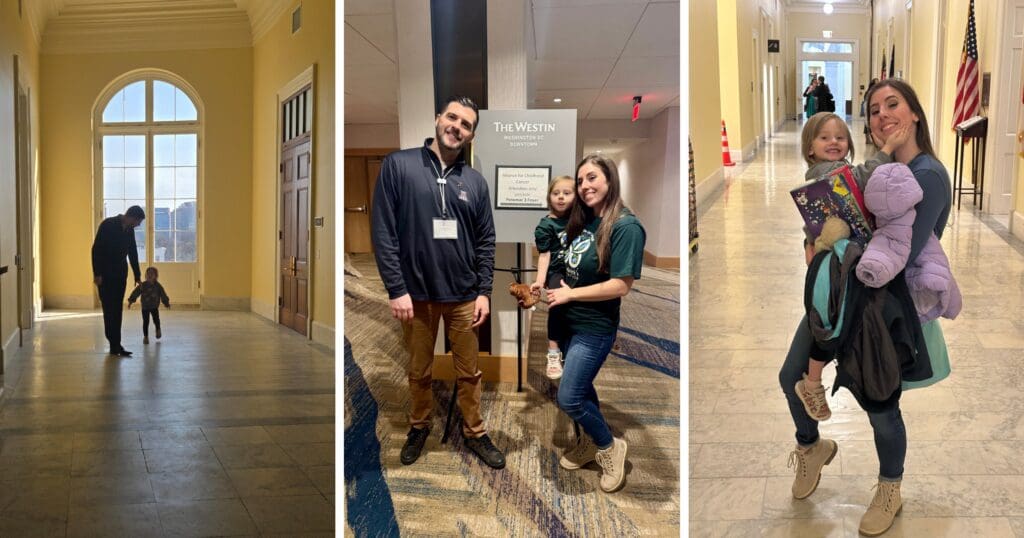
This past February, we traveled to Washington, D.C., for Action Days. There, alongside other families, we shared Adalyn’s story with lawmakers, urging support for childhood cancer research. At first, I was anxious—my first experience speaking with a lawmaker felt intimidating. But they listened, and I realized how much impact our voices could have. One moment stands out: a Congressman invited us to sit at a table with him and his assistant, where we shared openly and felt genuinely heard. Knowing that our story could help motivate change made the experience incredibly meaningful.
The Importance of Research and Funding
We wanted Congress to understand the reality of childhood cancer: the treatments are often decades old, harsh, and risky. Research is the key to better outcomes, innovative therapies, and improved survivorship. Funding the National Cancer Institute, ARPA-H, and continued support for initiatives like the Mikaela Naylon Give Kids a Chance Act ensures that children like Adalyn have access to care, hope, and better chances at life.
No parent should have to navigate the uncertainty, fear, and exhaustion we faced. No child should have to endure painful treatment with limited options. We may not be able to change Adalyn’s past, but through advocacy, we can help shape a future where fewer families experience what we did.
Hope for the Future
Adalyn reminds us daily why we fight: for brighter tomorrows, for every laugh and smile she shares, and for all the children still facing cancer. She is proof that even the smallest among us can show extraordinary strength—and that hope, courage, and joy can survive even the darkest journeys.
Be part of the hope that fuels brighter futures for kids like Adalyn. Every child deserves a chance to grow up.