When I was growing up, I never imagined myself becoming a scientist. In fact, I was convinced I’d become a teacher. Science and medicine weren’t on my radar—until they had to be.
In 2015, at just 12 years old, I was diagnosed with myeloproliferative neoplasms (MPN), a rare and chronic type of blood cancer that typically affects patients over 65. My case was not only rare because of my age but also because the disease had caused blood clots in all three veins of my liver, sending me into acute liver failure. At the time, there was almost no literature to guide doctors on how to treat pediatric cases like mine. My medical team often had to make decisions with little to no data. We lived in constant uncertainty, with far more questions than answers.
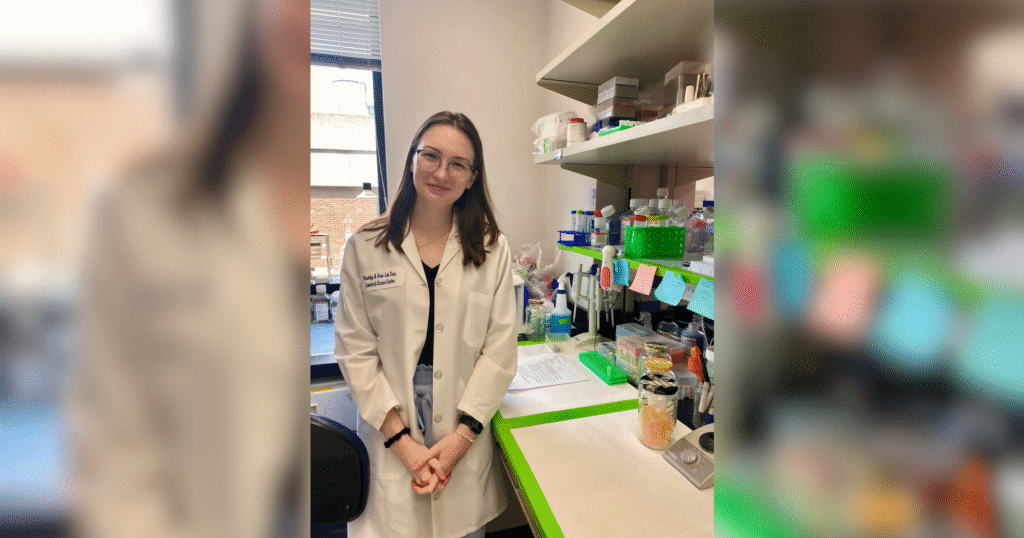
That uncertainty lit a spark in me. I wanted to understand the science behind what had changed my life forever. I started reading research papers, jotting down unfamiliar words on sticky notes and looking them up. Slowly, I pieced things together. But the more I learned, the more I realized how little anyone truly knew about why cancers happen, why complications vary from patient to patient, and why some respond to treatment while others don’t.
It was in that realization that I found my calling: I wanted to be someone who asked questions, who searched for answers, who helped push science forward for patients like me.
Finding My Place in Research
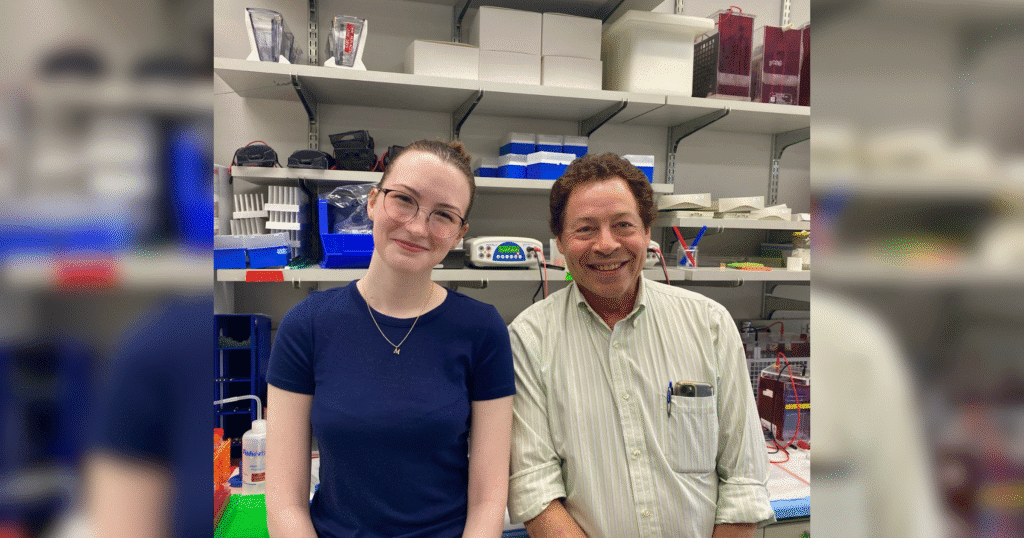
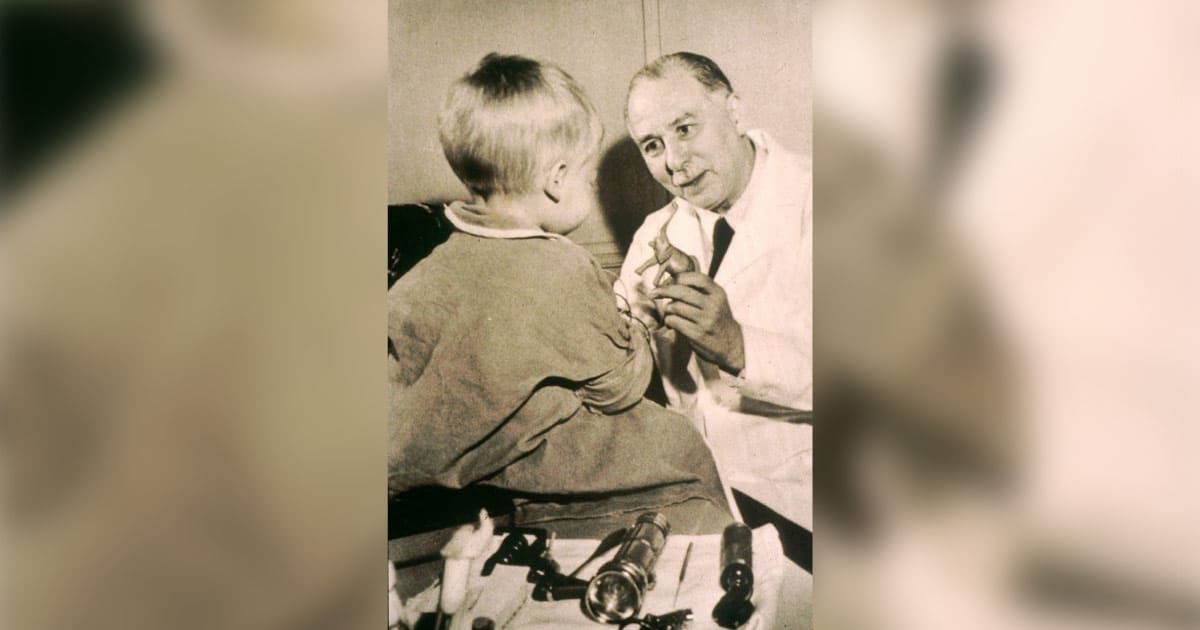
Madelyn and Dr. Toretsky
In 2022, while receiving treatment, I met Dr. Toretsky, a researcher studying Ewing sarcoma. He asked if I had ever thought about doing research and invited me to visit his lab. A few months later, I sat in on a lab meeting. I barely understood what was being discussed—but I was hooked.
That summer, I joined the lab as an intern. It was my first time experiencing hands-on research. I learned lab techniques, shadowed team members, and even spent hours with Emma, a lab tech who taught me microscopy while we listened to Taylor Swift. I was inexperienced, but I was encouraged—and slowly, I began to grow confident in my abilities.
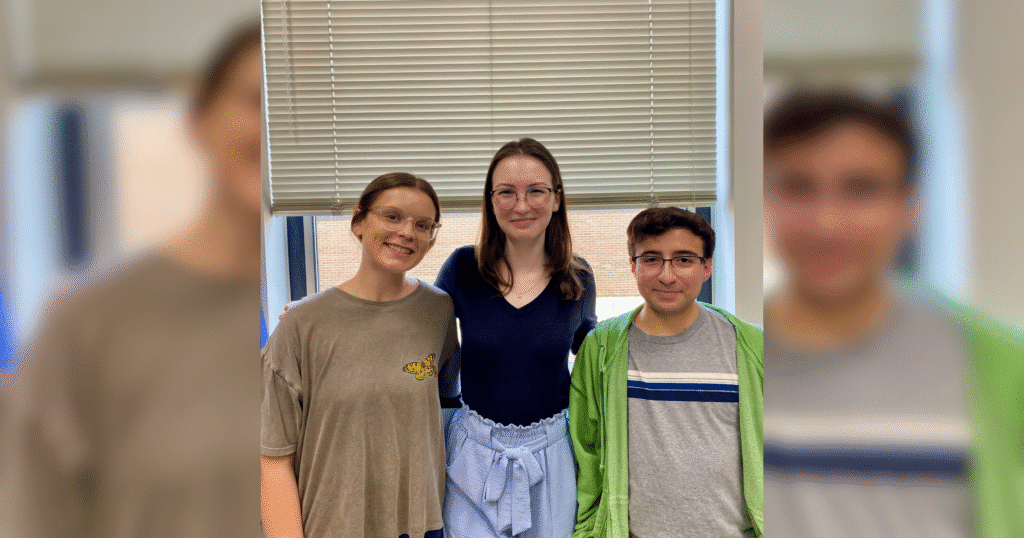
Emma and Quinn: The lab techs who trained Madelyn
In 2024, I received a student grant from Alex’s Lemonade Stand Foundation (ALSF) to fund a summer research project with Dr. Toretsky’s lab. That summer, I learned how to purify proteins and deepened my understanding of the mechanisms behind Ewing sarcoma (ES). By the end, I had successfully purified EWS::FLI1, a fusion protein linked to ES and the central focus of our lab’s work.
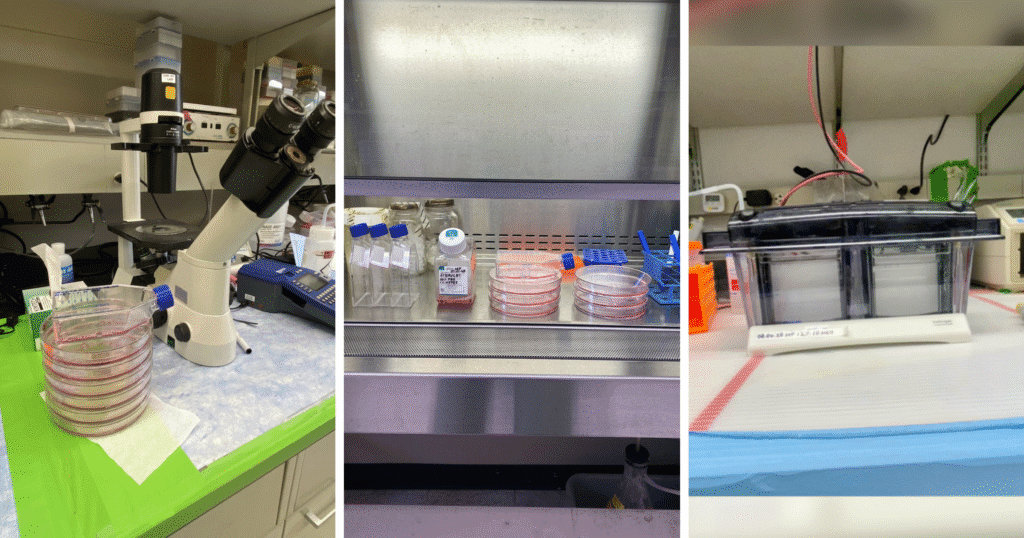
A Summer With St. Baldrick’s
This year, I was fortunate to continue my journey with the support of a St. Baldrick’s Fellowship. The fellowship allowed me to create and lead my own research project in Dr. Toretsky’s lab.
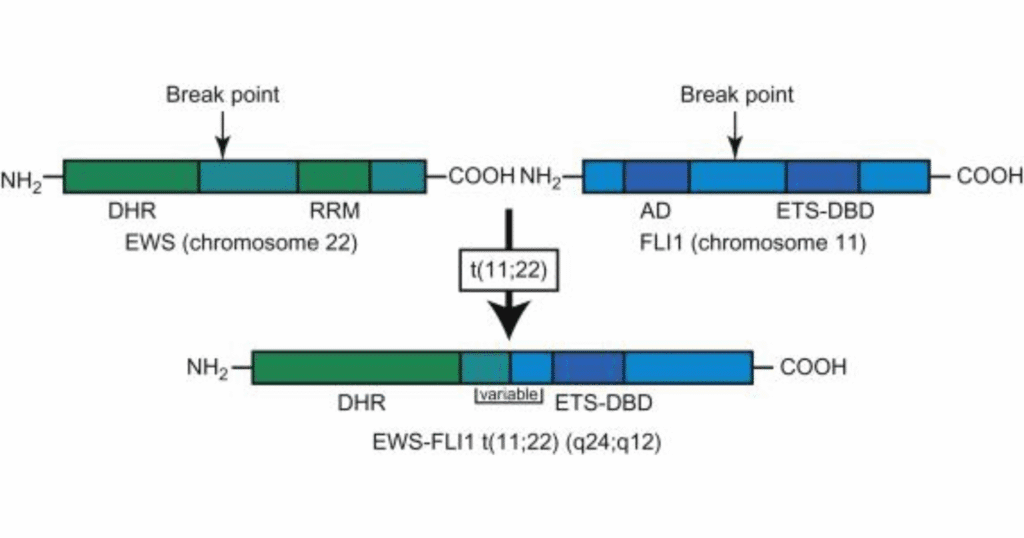
Figure 1. Depiction of EWS::FLI1 translocation. Adapted from Federman, N., et. al, 2016
Our lab studies sarcomas and focuses on fusion proteins like EWS::FLI1, which disrupt normal cellular processes and drive tumor growth. My project aimed to determine whether a partner protein interacts with EWS::FLI1, causing alternate splicing patterns. The goal is to study the partner protein interactions and develop therapeutic ways to disrupt these interactions to restore normal cellular function.
To explore this, I built on past skills and learned new techniques:
- Growing and maintaining cell lines
- Performing cell lysis and western blots
- Learning co-immunoprecipitation (co-IP), a method to test protein-protein interactions
By mid-summer, I was running nuclear co-IP experiments using ES cell lines. The results were exciting: multiple experiments showed that the partner protein and FLI1 do, in fact, interact. These findings open the door to exploring how this relationship contributes to disease development—and how it might be disrupted to treat patients.
Beyond the Bench
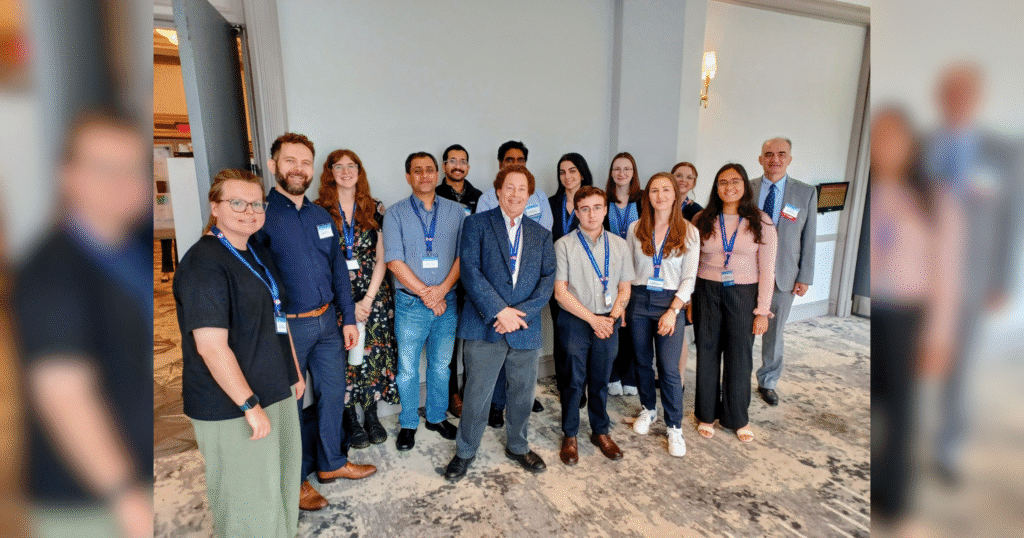
The Toretsky and Uren lab members at CCF!
One of my favorite parts of this summer was being able to connect science back to the patient experience. I attended lab meetings where we shared updates and discussed new research from across the country. I shadowed a pathologist, watching how frozen samples were quickly analyzed to guide surgeons in the OR. I even attended the CCF Symposium, where patients spoke about how research had directly influenced their treatment—a reminder of why this work matters so much.
The summer wasn’t just about learning new skills; it was about seeing myself as both a patient and a researcher, bridging two worlds that often feel separate.
Looking Forward
I never expected my life to take me down this path, but I’m so thankful it did. Through the support of mentors like Dr. Toretsky, organizations like ALSF and St. Baldrick’s, and the encouragement of peers in the lab, I’ve found a passion for research that feels deeply personal.
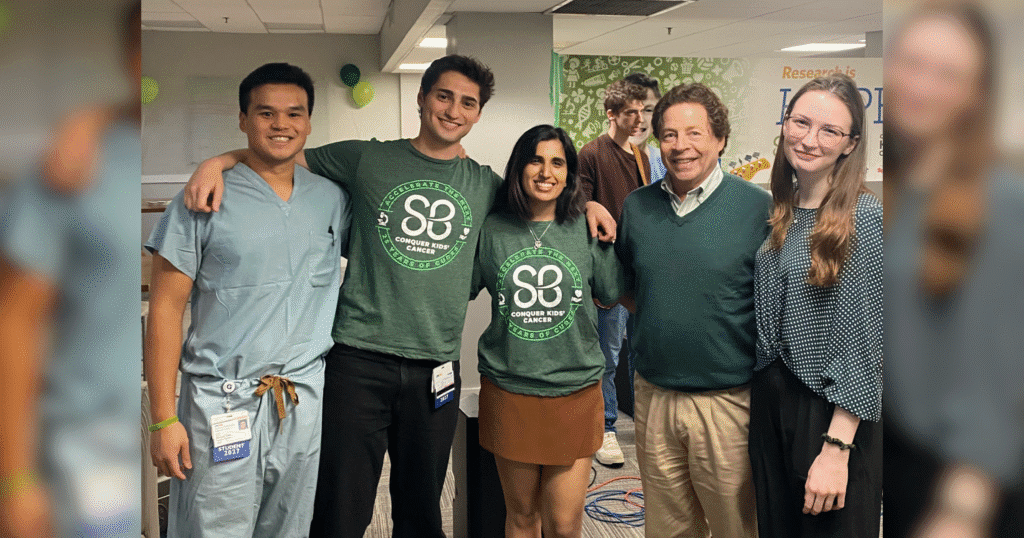
Dr. Toretsky and Madelyn at the St. Baldrick’s shave event hosted by Georgetown medical students.
My journey from patient to researcher has shown me the power of persistence, curiosity, and community. I hope to keep building on what I’ve learned—not just to advance science, but to help create a future with more answers, more hope, and better outcomes for patients like me.
Help fuel more pediatric cancer research projects for future investigators.