When 4-year-old Annie was diagnosed with B-cell acute lymphoblastic leukemia (ALL) just days before Christmas, her world—and her family’s—changed overnight.
Annie’s mom remembers that moment clearly: a phone call from Cincinnati Children’s Hospital, where they’d been seeking a second opinion. “We were absolutely gutted and terrified of what was to come,” she said. With a newborn at home and their primary hospital nearly two hours away, Annie’s parents had to make an impossible choice: split up the family so Annie could begin treatment right away.
Annie and her mom left the day after Christmas. Her dad stayed behind with baby Luke.
That early phase of treatment was physically and emotionally grueling. Because Annie didn’t reach remission right away, she was moved to a high-risk protocol, which meant months of intense chemotherapy, frequent hospital stays, and exhausting side effects.
“She was often fatigued and nauseous,” her mom recalls. “We stayed in Ohio for the better part of a year.”
But everything changed when Annie began receiving Blinatumomab, a new immunotherapy treatment that’s reshaping cancer care for kids like her.
A Lifesaving Treatment in a Backpack
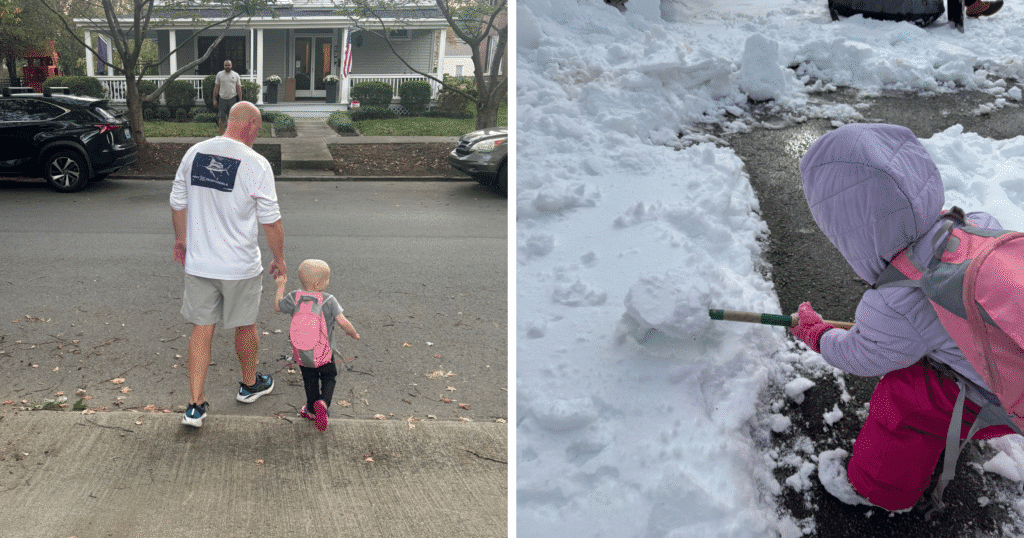
Unlike traditional chemotherapy, Blinatumomab trains the immune system to hunt down leukemia cells. Even more remarkable, it can be delivered through a portable backpack infusion at home rather than requiring long hospital stays.
For Annie’s family, the difference was profound. “This section of treatment was wonderful,” her mom shared. “Most importantly, it allowed us to be home for an entire month. She was finally energetic and able to eat. Her counts were higher, and we could be around more family and friends.”
They only had to return to the clinic once a week for labs and a dressing change. Annie thrived.
“She was so energetic she actually broke her line at one point from dancing so hard!” her mom said, laughing.
And perhaps the biggest moment of all—she got to be home for Christmas.
A Pink Backpack, a Dose of Normal
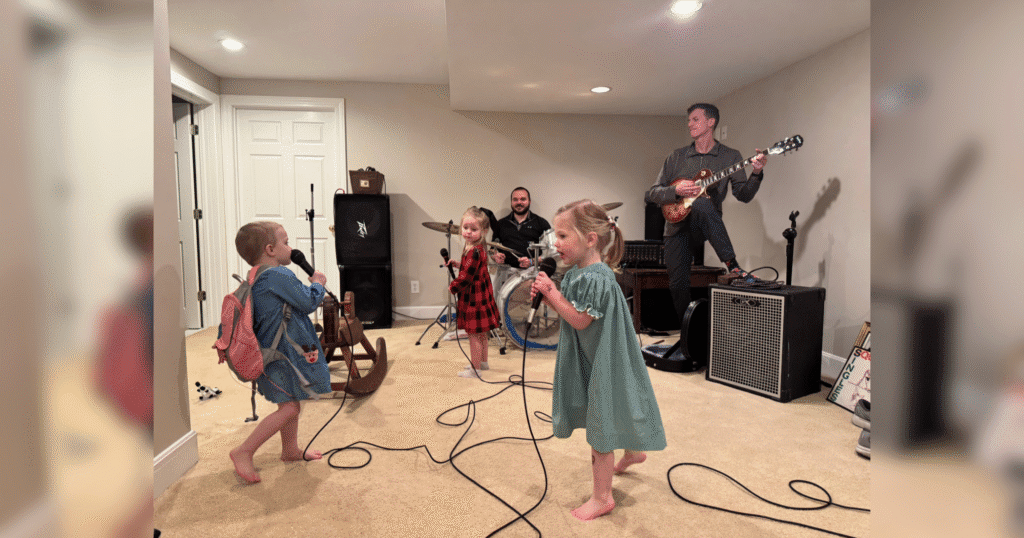
At first, Annie needed time to adjust to wearing her backpack and being mindful of the tubing. But she quickly grew proud of it. Her cousin Josie, drawn to the pink color, once asked about it.
Annie told her, “It has my medicine that makes me feel better.”
Being at home again meant sleeping in her own bed, being with her dog, and spending time as a family. “When people think about cancer patients, they picture bald, bedridden people,” her mom said. “But Annie was always up and moving. Being able to go home was the best gift we could have been given.”
Now in the maintenance phase of treatment, Annie is on track to ring the bell in April 2026.
Why Research Matters
When asked what she would say to those who helped make this treatment possible, Annie’s mom responded without hesitation:
“Thank you! You gave our family so much hope and opportunity to be together. The results this medication is showing are so promising. We’re definitely on the right path to a less harsh treatment for the smallest warriors.”
She also stressed the importance of continued research. “So many kids end up with lifelong complications from harsh, outdated medicines. Our kids deserve better.”

Join the Backpack Challenge
Annie’s story is a powerful reminder of the impact research can have, moving kids out of hospitals and back into their homes, their classrooms, and their favorite dress-up games.
This September, honor kids like Annie by taking on the Backpack Challenge:
🟢 Wear a backpack for 28 days, just like the kids receiving this treatment.
🟢 Raise $2,500, representing the 2,500 children diagnosed with B-cell ALL each year.
🟢 Start conversations, share your journey, and help fund the next breakthrough.
Together, let’s Send Kids’ Cancer Packing.