When a groundbreaking treatment like Blinatumomab (Blina) becomes the new standard of care for children with B-cell acute lymphoblastic leukemia (B-ALL), the story doesn’t end with the research. It begins again on the frontlines — in hospitals, clinics, and homes where nurses, families, and young patients are learning together what this breakthrough means in daily life.
For Sue Zupanec, Pediatric Nurse Practitioner with the Leukemia and Lymphoma Program at The Hospital for Sick Children (SickKids), that moment is unforgettable.
“I remember exactly where I was when I heard the result of the AALL1731 study,” she recalls. “My first thought was astonishment, and then quickly thinking about all the kids who would now not suffer a relapse of their leukemia, and not have to go through more toxic treatments. I thought — this will change everything.”
 “I remember exactly where I was when I heard the result of the AALL1731 study,” she recalls. “My first thought was astonishment, and then quickly thinking about all the kids who would now not suffer a relapse of their leukemia, and not have to go through more toxic treatments. I thought — this will change everything.”
Preparing Families for the Blina Backpack
Blina is delivered continuously through an infusion pump for 28 days — a dramatic shift from hospital-based chemotherapy. But sending a child home with life-saving treatment requires confidence and preparation.
At SickKids, Nurse educators spend one-on-one time with families during the initial hospital stay. Parents learn how to monitor the pump, respond to alarms, prevent disconnections, and most importantly, who to call 24/7 if they need help.
“We reassure families that complications are uncommon and remind them they’re never alone,” Sue explains. “By showing our confidence as providers, we pass that confidence on to them.”
Adapting Care for Kids
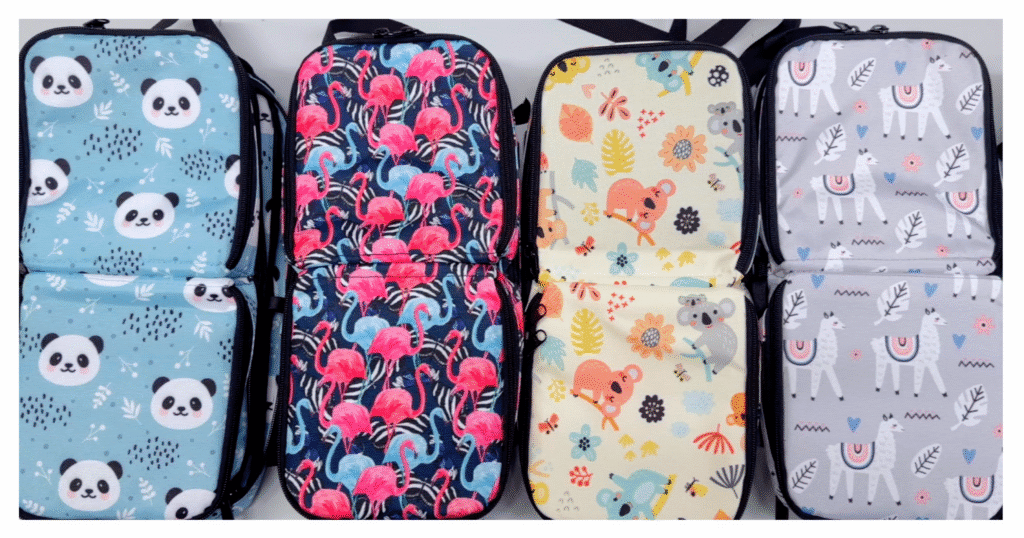
At SickKids, nurses and staff designed child-friendly Blina backpacks.
In the early days of implementation, one surprising challenge was that medical supply companies only offered adult-sized medical carrying bags for infusion pumps. Sue and her colleagues quickly got to work designing pediatric-friendly versions, backpacks — making them lighter, safer, and more secure for active kids.
The team also partnered with “interlink nurses” who help children transition back to school during cancer treatment. These nurses educate teachers and staff, ensuring kids like Emma — one of Sue’s patients — could safely learn and play alongside classmates while receiving Blina.
Emma’s Story: Living Life with Blina
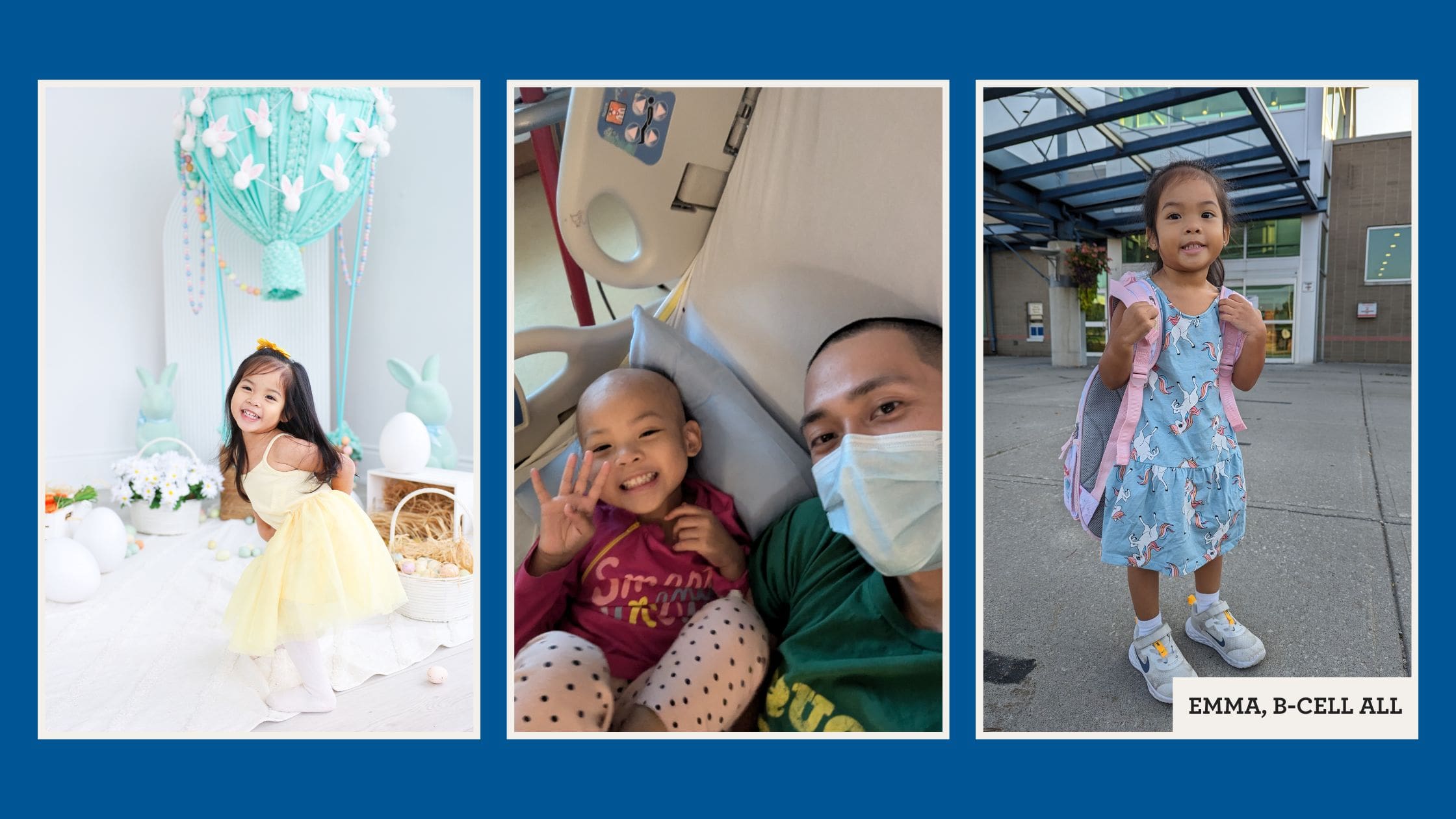
For 4-year-old Emma, Blina represented more than medicine — it was a lifeline back to normalcy.
Emma was diagnosed with ALL in October 2023 after what her parents thought was a routine illness. The early months of treatment brought difficult side effects, from anaphylaxis reactions to pancreatitis. Still, Emma’s resilience carried her forward.
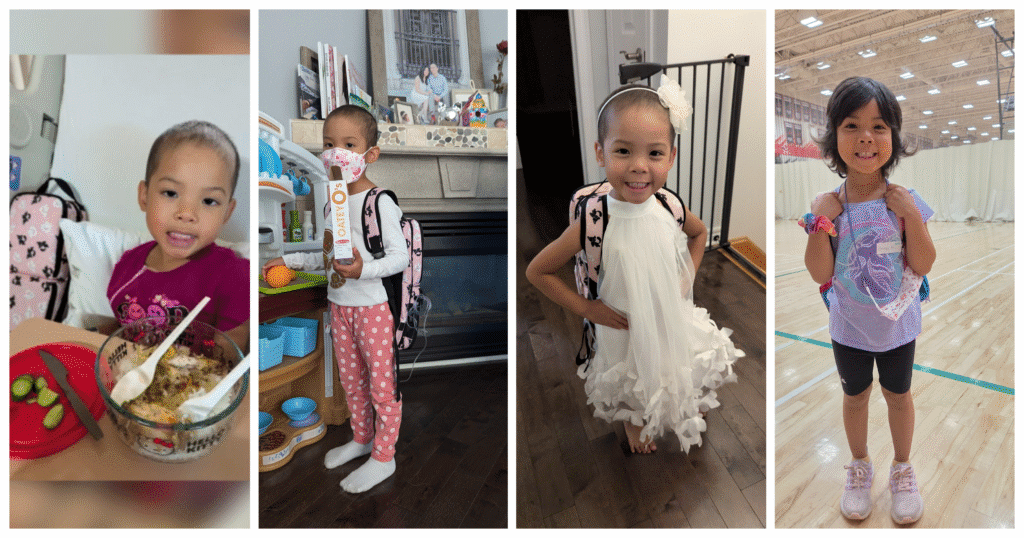
When she began Blina, everything changed. Carrying a backpack 24/7 wasn’t easy for a 4-year-old, but Emma quickly adapted. She learned to eat, sleep, and even play while wearing it. Perhaps most importantly, she was able to start junior kindergarten — taking her new backpack right into the classroom.
Her parents remember one especially meaningful moment: Emma serving as a flower girl in a family wedding. At first, they worried treatment would keep her from attending. But with support from her hospital team, Emma was there — smiling, dancing, and carrying flowers down the aisle with her Blina backpack by her side.
Today, Emma is thriving in the “maintenance phase” of treatment. She recently finished junior kindergarten, is enjoying summer camp, and is on track to complete therapy in February 2026.
A Breakthrough in Daily Life
The shift from toxic chemotherapy to Blina isn’t only about survival statistics — it’s about kids being kids again. Nurses like Sue see it every day: toddlers running through clinics with heavy backpacks, school-aged children returning to classrooms, parents finally able to exhale and take a breath of relief.
“It really is a treat to see them smiling and feeling well,” Sue reflects. “And to know the medicine is working, reducing the risk of relapse. I often think to myself — wow, this child has a lower chance of relapse today.”
Emma’s family agrees:
“We will be forever grateful,” they say. “Supporting children is about providing families with hope and allowing them the opportunity to live long, healthy, full lives.”
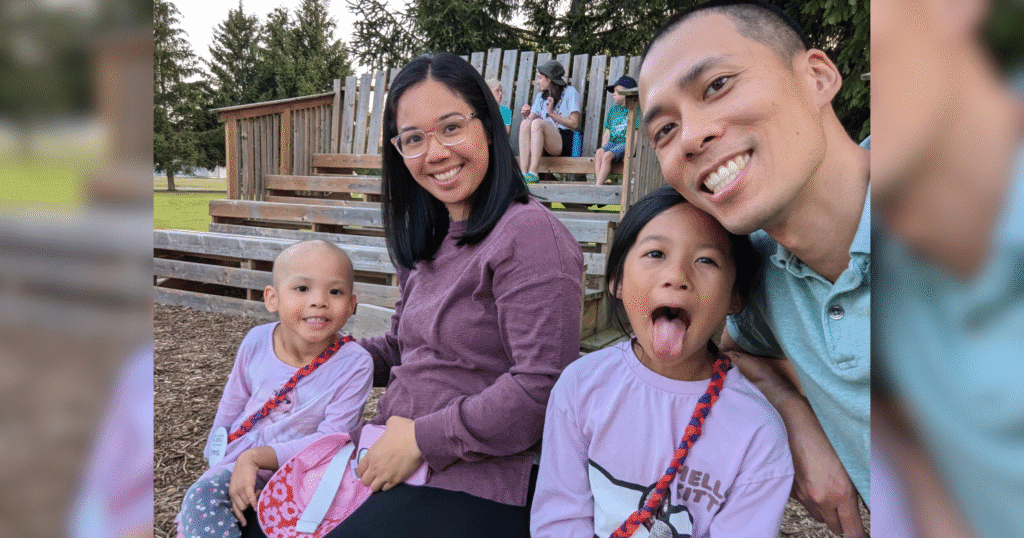
Emma and her family
From Research to Real Life
Blinatumomab is more than a medical milestone; it’s a daily reality now shaping childhoods once interrupted by cancer. On the frontlines, families, nurses, and kids like Emma are showing just what this breakthrough makes possible: not just progress in the lab, but laughter, school days, weddings, and moments of joy.
And that’s exactly what inspired the launch of St. Baldrick’s fundraising challenge.
Send Kids’ Cancer Packing

The St. Baldrick’s Backpack Challenge invites participants to wear a backpack for 28 days or 28 miles to honor kids like Emma and raise money for those who still need better treatments. Just as Blina allows kids to laugh, play, and learn while carrying treatment in a backpack, this challenge symbolizes the fight to take childhood back from cancer — and to send kids’ cancer packing for good.