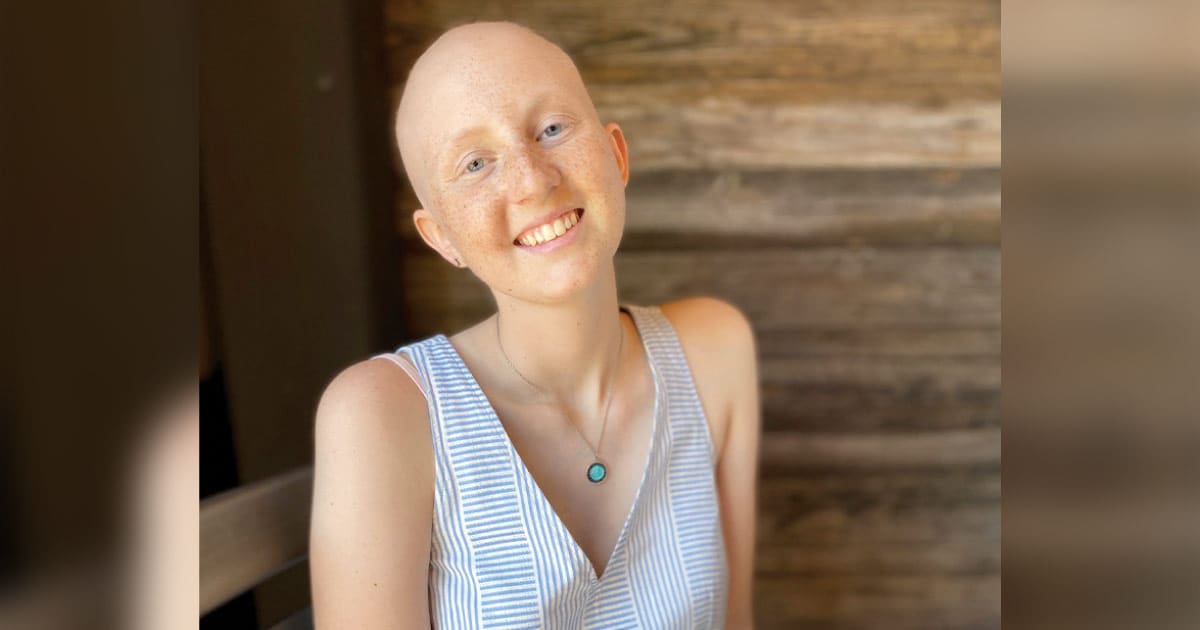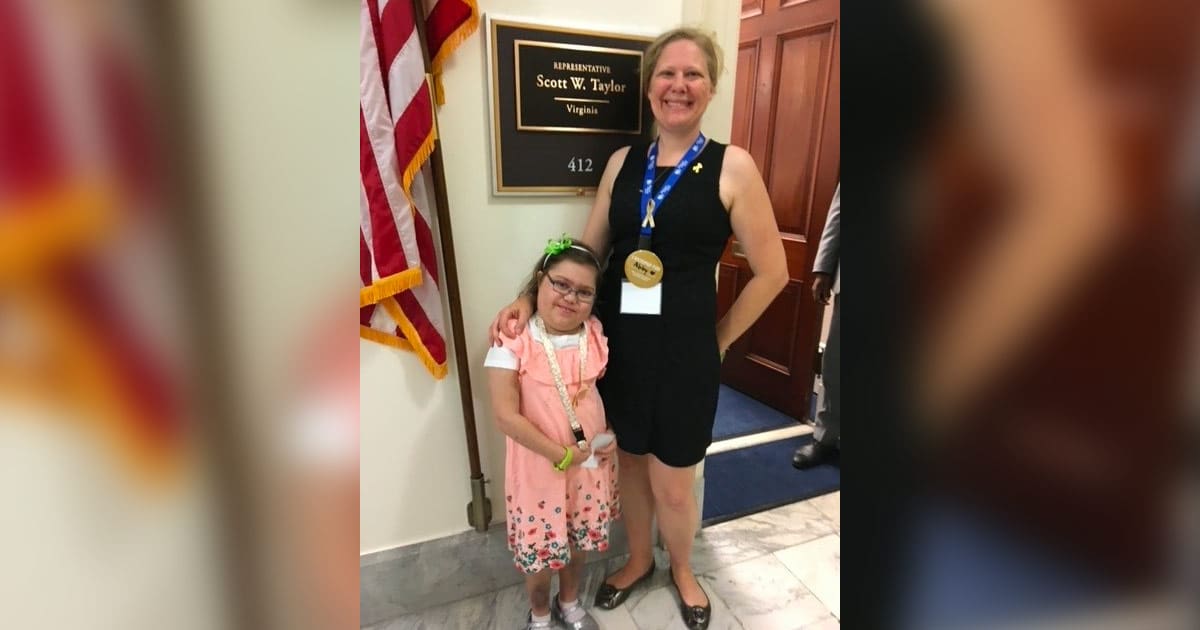
Every year, families, survivors, doctors, and advocates from across the country come together for Action Days to speak directly with lawmakers about what children with cancer need most. Progress is happening — but kids still face treatments developed decades ago, and childhood cancer research remains underfunded and understudied. By sharing our stories and our science, we help Congress understand both the urgency and the opportunity: with the right policies and sustained federal investment, more children can survive and thrive. These are the priorities we’re bringing to Capitol Hill in 2026.
Ask #1: Thank You for Prioritizing Kids
This year, Congress passed the Accelerating Kids’ Access to Care Act and the Mikaela Naylon Give Kids a Chance Act into law! These two policies, which address some of the most pressing needs related to pediatric drug development, clinical trials, and access to care, represent the most influential childhood cancer legislation since the passage of the original Childhood Cancer STAR Act in 2018. This is a huge victory for the childhood cancer community and a tremendous show of support from our congressional champions.
Ask #2: Increase Federal Funding for Childhood Cancer Research in FY27
Children with cancer rely on stable, federally funded research to discover new, less toxic treatments. Due to smaller patient populations, drug companies do not have as strong an incentive to invest in new childhood cancer treatments and cures as they do for adults. As a result, grants from the National Institutes of Health (NIH) and the National Cancer Institute (NCI) awarded to research institutions around the country must fill the gap. Support from the NIH also funds the critical research infrastructure that makes nearly all childhood cancer research possible, and programs like the Advanced Research Projects Agency for Health (ARPA-H) ensure that innovative ideas are quickly developed and implemented.
Last year, both Congress and the Administration made important progress towards increasing Federal support for childhood cancer research. In Fiscal Year 2027 (FY27), Congress must build on this progress by providing robust increases for the critical childhood cancer research programs that children with cancer and their families rely on. The Alliance for Childhood Cancer urges Congress to provide:
- At least $35 million for the Childhood Cancer STAR Act, a $5 million increase, matching the funding provided in the FY26 House Labor-HHS-Education appropriations bill
- $100 million for the Childhood Cancer Data Initiative (CCDI), matching the total funding level provided by Congress in FY26 and the Executive Order signed by President Trump on September 30th, 2025, doubling the program’s budget to enable the use of artificial intelligence in the study of childhood cancer
- $51.3 billion for the National Institutes of Health and $7.9 billion for the National Cancer Institute
- $1.5 billion for the Advanced Research Projects Agency for Health (ARPA-H)