From one mom to another, I know that looks aren’t what matter most. But watching your child be chipped away at, piece by piece, and forever changed by cancer is gut-wrenching.
I feel like I have to sit back and watch parts of my daughter be taken away a little at a time.
Children with some cancers are able to reach no evidence of disease and move forward with little more than a scar. Kids with bone cancers often face something very different. They lose limbs. They lose features. They lose parts of themselves in an effort to save their lives.
One of my least favorite phrases is, “It’s underfunded and under-researched because it’s so rare.”
When it’s your child, it isn’t rare anymore.
Eva’s Journey with Ewing Sarcoma
Eva was 10 years old when she was first diagnosed with Ewing sarcoma, a rare and aggressive childhood bone cancer. By the time we finally received answers, six months had passed since her symptoms began, and the cancer had already metastasized.
Her first treatment was intense: 14 cycles of chemotherapy, including doxorubicin, followed by 36 proton radiation treatments and five additional “cleanup” proton therapies.
Cancer took things from Eva almost immediately.
The first thing she lost was dance.
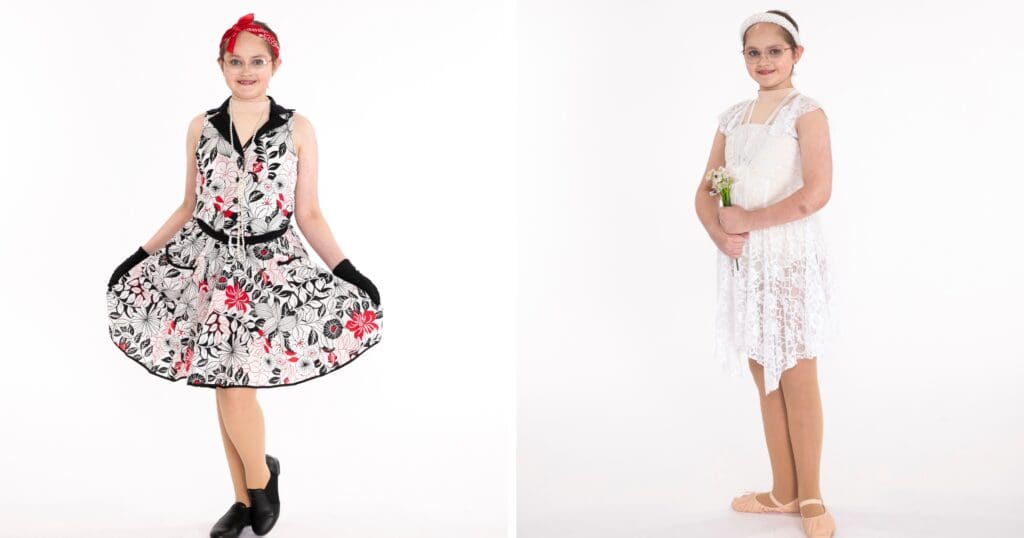
She had been dancing since she was 18 months old and absolutely loved it. During treatment, she had to stop. She missed the last six weeks of school that year, and we still don’t know what long-term cognitive effects treatment may have on her future.
The radiation that helped save her life also caused lasting damage. It burned her hip bone, and we know she will eventually need a hip replacement. Doctors are hoping to delay that surgery until she finishes growing.
But perhaps the hardest loss has been the changes to her appearance.
Her tumor sits beneath her eye in a location that cannot be surgically removed. The radiation treatments caused permanent hair loss and the loss of one set of eyelashes. She often jokes about being a “bald beauty,” and she says it with a smile, but as her mom, I know it hurts.
Facing Relapse
Just when we thought we were moving toward a brighter future, the cancer came back.
Eva was 12 years old when she relapsed.
This time, treatment has looked different. We initially hoped an oral chemotherapy medication would work, but it didn’t stop the tumor from growing. Since then, we’ve traveled 2.5 hours each way every 21 days so she can receive five consecutive days of chemotherapy. She has also undergone photon radiation because the tumor is too close to her optic nerve for proton therapy.
Recently, we’ve spent weeks in and out of the hospital after the chemotherapy caused serious damage to Eva’s body, affecting her bladder and face. Her doctors made the difficult decision to stop that treatment, and the plan is now for Eva to begin taking an oral medication called regorafanib for the next two years once she’s healthy enough to start.
Like many childhood cancer families, we’ve also faced frustrating realities beyond the disease itself. To ensure insurance will cover Eva’s medication, we have to move forward based on her doctors’ belief that the tumor is no longer active without confirming it with a PET scan. If imaging proves the tumor is dead, insurance may refuse to cover continued treatment. It’s hard to understand how families are forced to make decisions like these while simply trying to keep their child alive.
Every treatment cycle means more time away from home, more uncertainty, and more challenges that no child should have to face. We’re praying this new treatment gives Eva the chance to keep moving forward.
Why Childhood Cancer Research Matters
When Eva was first diagnosed, we were told that Ewing sarcoma isn’t one of the “popular” cancers.
Think about that for a moment.
The treatment protocol she received was largely the same protocol used in the 1980s.
We were told that if she could remain cancer-free for two years after treatment, her outlook would improve significantly. Now that we’re facing relapse, the research uses a word that no parent should ever hear about their child: dismal.
DISMAL is not okay. THIS IS MY CHILD.
She is kind, beautiful, funny, faithful, and deeply loved. She has dreams, plans, and a future worth fighting for.
Research is vital.
We should never have had to fight so hard just to get a diagnosis. We should never have been told there were so few treatment options available. We should never have traveled across state lines seeking opportunities, only to be told to wait and see if the cancer returned.
Children deserve better.
What Carries Us Through
The truth is, Eva carries us.
She is spunky, funny, and full of life. Her faith in God is unwavering, and somehow, she finds ways to laugh even on the hardest days.
The hospital has her chart labeled as “sassy,” which feels completely accurate.
She jokes that not having hair is easier because it saves time. She smiles. She makes people laugh. She lights up every room she enters.
And if Eva ever stops smiling and joking, we know she’s really sick.
Our faith, our community, and countless prayers have helped sustain us through this journey. But most of all, it is Eva’s strength that keeps our family moving forward.
What I Wish People Knew
One thing I’ve learned is how many misconceptions surround childhood cancer.
Cancer isn’t contagious.
This is not my fault or the fault of Eva. She has a genetic mutation that caused her to get cancer.
While people often want to help, there are no easy answers or miracle cures.
And finally, please understand that having a child with cancer is different.
I know people mean well when they compare it to a parent, grandparent, or pet having cancer.
But this is my child.
She is literally part of me and unless you’ve walked this road, you cannot fully understand what it feels like.
Looking Toward the Future
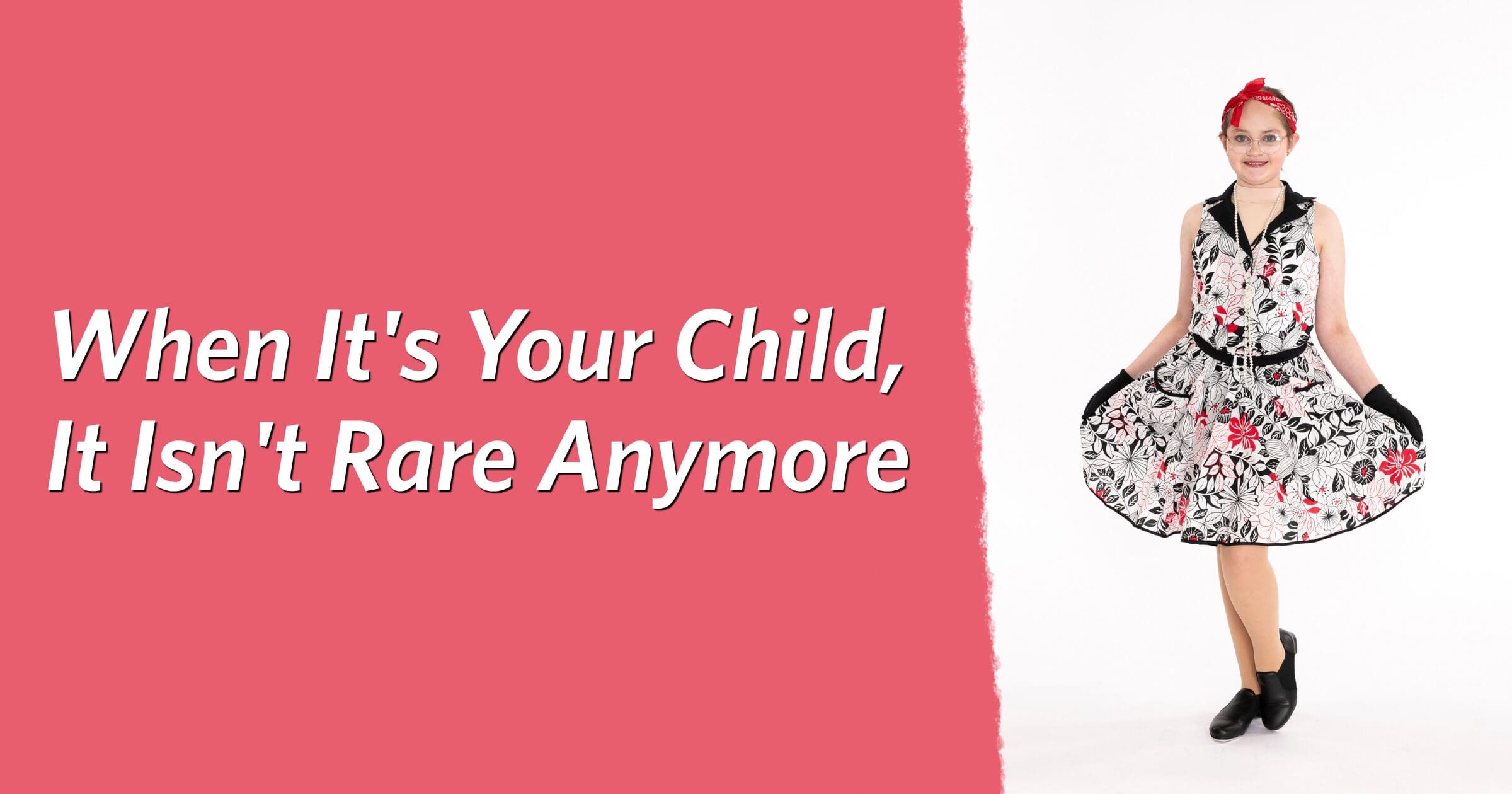
Despite everything she has faced, Eva is still a typical tween girl.
She loves cheerleading, dance, showing her 4-H pig, spending time with her dog Oliver, shopping, skincare, makeup, and having her nails done. She loves hanging out with friends and making people laugh.
She also has big dreams.
Eva wants to grow up, get married, have a family, and become a pediatric oncology nurse so she can help other children facing cancer.
As her mom, my hope is simple.
I want Eva to live.
I want her to have the long, happy, healthy life she deserves. I want her to chase every dream, reach every goal, and experience every milestone waiting for her.
And I want a future where no parent is told that their child’s cancer is too rare to matter.
Because when it’s your child, it isn’t rare anymore.